First Time Flying Tips: 18 Things to Know Before Your First Flight
Flying for the first time feels overwhelming, but honestly, it comes down to a handful of basics. Arrive early, keep your ID and boarding pass handy, follow the liquid rules, and listen for your boarding group. That covers 90% of it. The rest is just knowing what to expect at each stage, from curb to gate to baggage claim.
The good news? Airports are designed for people who have never flown before. Signage is clear, staff answer questions all day long, and every frequent flyer once stood exactly where you are now, wondering which line to join. So take a breath. Below, you’ll find practical first time flying tips that walk you through the entire process step by step.
I’ve broken this guide into the phases of your journey: before you leave home, at the airport, on the plane, and after landing. Skim it once now, then save it for your travel day. You’ll show up calmer than most people in the terminal.
First Time Flying Tips for Booking and Preparing
Your flight experience starts days before departure. First, book directly with the airline rather than a third-party site when you can. If something goes wrong—a delay, a cancellation, a schedule change—the airline fixes it faster when you booked with them. Sites like Kayak work well for comparing prices first; just complete the purchase on the carrier’s own site.
Next, check in online 24 hours before departure. Nearly every airline sends an email with a check-in link. Doing this early lets you pick a better seat, pay less for bags, and walk into the airport already holding a mobile boarding pass. If you prefer paper, print it at home or use a kiosk at the airport.
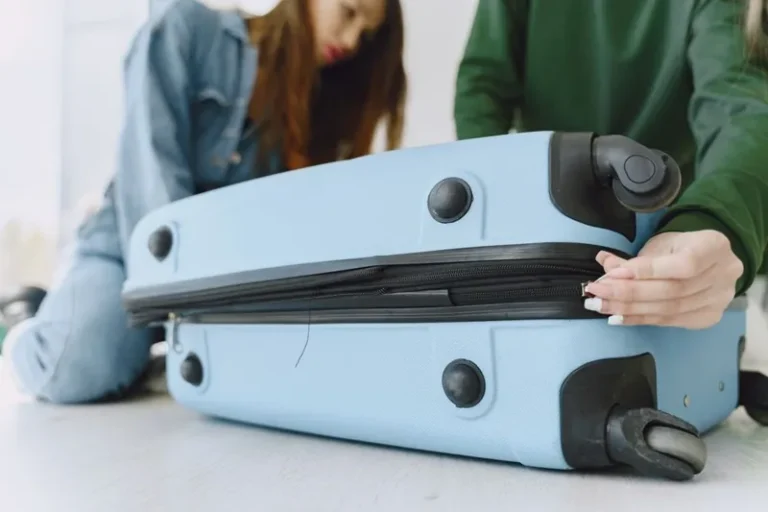
Then, learn your airline’s baggage rules before you pack. Budget carriers like Spirit, Ryanair, and Frontier charge steep fees for bags that fuller-fare airlines include. Measure your carry-on at home. Nothing ruins a first flight like a surprise $65 gate fee.
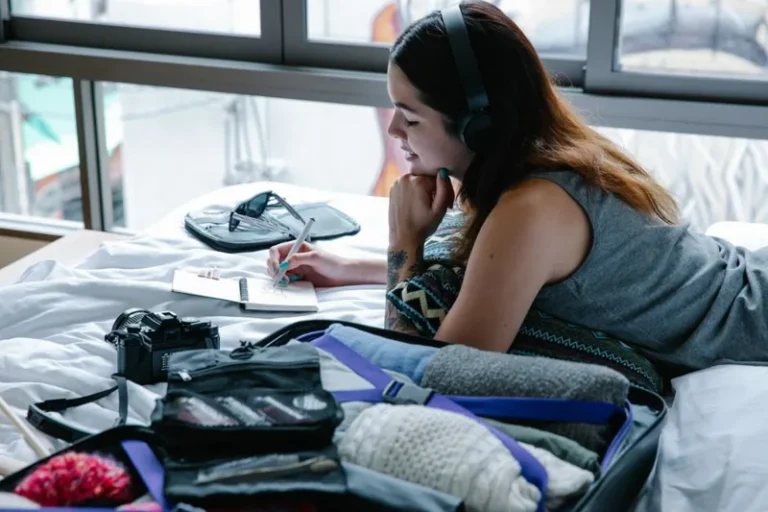
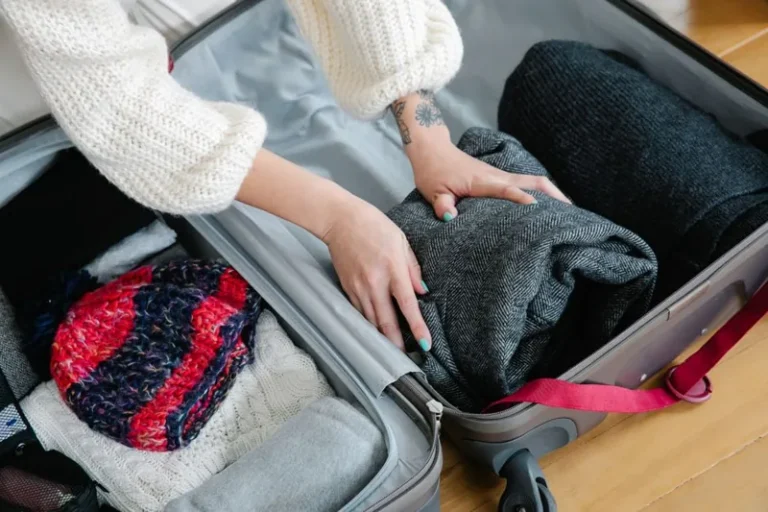
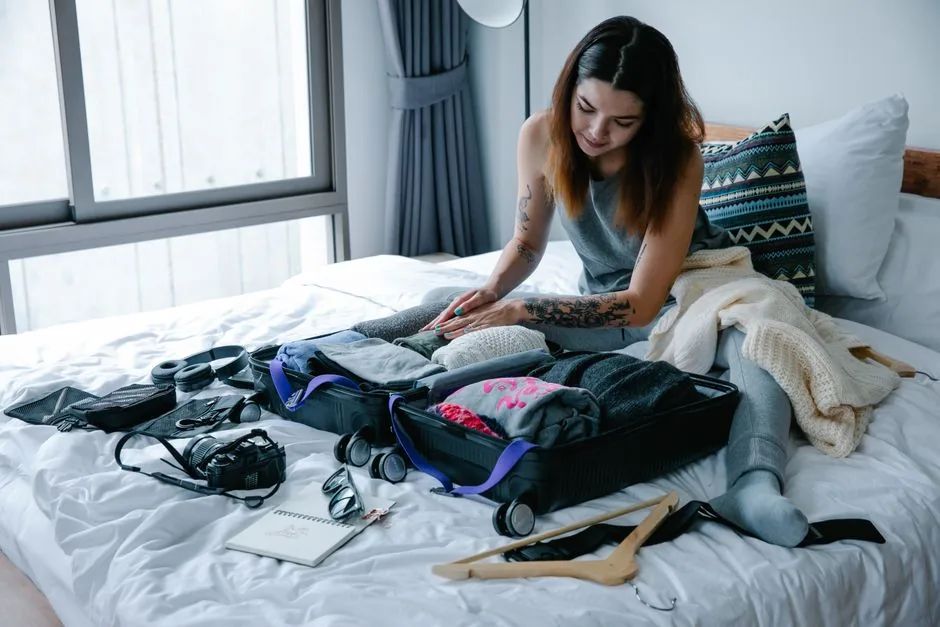
Finally, take a photo of your packed suitcase and its contents. If the airline loses your bag, that photo makes the claim process ten times easier. Also photograph your passport’s photo page and store it in your email. Small habits, big payoff.
What to Pack in Your Carry-On
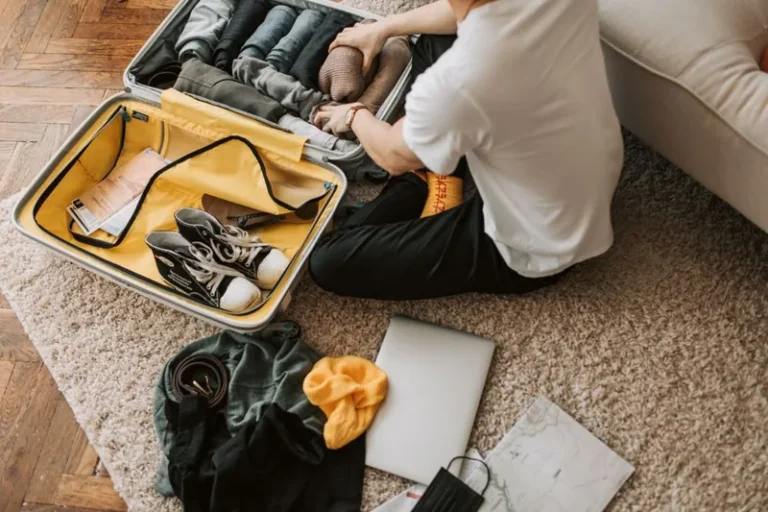
Keep these items with you, never in a checked bag:
- Medications and prescriptions
- Phone charger and a power bank
- One change of clothes
- Valuables like laptops and cameras
- Travel documents (ID, visa, boarding pass)
- Snacks and an empty water bottle to fill past security
Arriving at the Airport: Timing Is Everything
So, how early should you arrive? For domestic flights, get there two hours before departure. For international flights, make it three. First-time flyers should add 30 minutes to those numbers, because you’ll move slower while you learn the layout. Missing a flight to save an hour at the airport is a bad trade.
When you arrive, the first stop is the check-in counter or bag-drop for your airline. Look up at the departure boards—they list your flight number, destination, and gate. Can’t find your airline’s counter? Any airport employee can point you to it. Honestly, asking is faster than wandering.
After checking any large bags, head toward security. This is the part that stresses most first-timers, so let’s slow down here.
Getting Through Airport Security Like a Pro
Security moves faster when you know the drill. In the United States, the TSA sets the rules, and they’re simpler than they look:
- Have your ID and boarding pass ready before you reach the officer.
- Put liquids in a clear quart-sized bag—each container must be 3.4 ounces (100 ml) or less.
- Remove large electronics like laptops from your bag and place them in a bin.
- Take off shoes, belts, and jackets. Empty your pockets entirely.
- Walk through the scanner when the officer waves you forward.
Wear slip-on shoes and skip the metal jewelry on travel day. Pack your liquids near the top of your bag so you’re not digging through everything in line. Also, pre-check whether your airport uses body scanners; they require you to hold your arms up for a few seconds. It’s painless and takes ten seconds.
Navigating the Terminal and Boarding

Once you’re through security, check the departure board again for your gate number, since gates change. Then look at the time on the board. That “boarding” time is when the process starts, not when the plane leaves. Doors typically close 15 minutes before departure, and airlines really do leave without late passengers.
Head to your gate early, then relax. Airports sell food and drinks past security at normal-ish prices, and you can bring most items onto the plane. Gate agents announce boarding by group—check your boarding pass for “Group 2” or “Zone B.” When your group is called, join the line, scan your pass, and walk down the jet bridge.
Here’s a quick reference table to keep the timeline straight:
| Milestone | When It Happens | What You Do |
|---|---|---|
| Online check-in | 24 hours before | Check in, pick seats, get boarding pass |
| Arrive at airport | 2–3 hours before | Check bags, drop luggage |
| Security | Right after check-in | ID check, bins, scanner |
| Boarding | 30–45 min before departure | Wait for your group, scan pass |
| Door closure | 15 min before departure | Be seated, period |
| Landing | On schedule, hopefully | Head to baggage claim if you checked bags |
On the Plane: What to Expect on Your First Flight
Boarding feels chaotic, but the flow is simple. Find your seat number on your boarding pass, match it to the row markers above the bins, and stow your carry-on overhead or under the seat in front of you. Sit down, buckle up, and settle in. A flight attendant will usually help if your bag won’t fit.
During Takeoff, Cruising, and Landing
Takeoff surprises some first-timers. Expect noise, a push back into your seat, and a few thumps as the landing gear retracts. Turbulence is completely normal too—it feels like a bumpy road, and pilots treat it as a comfort issue, not a danger. Keep your seatbelt on whenever you’re seated, and you’ll be fine.
During the cruise, flight attendants offer drinks and sometimes snacks. Most airlines have dropped free meals on domestic flights, so bring food. Want water? Ask anytime; staying hydrated helps with jet lag and headaches. The lavatory works like a small bathroom, though the door fold—just watch someone exit once if you’re unsure.
For landing, put your tray table up, return your seat upright, and stow loose items. Your ears might pop from pressure changes; chewing gum, yawning, or the Valsalva maneuver (pinch your nose, gently blow) relieves it.
Beating Jet Lag and Staying Comfortable
Long flights punish your body a little. Therefore, set your watch to your destination’s time as soon as you board. Drink water constantly, skip the second alcoholic drink, and walk the aisle every couple of hours. Compression socks help on flights longer than four hours. Meanwhile, a neck pillow and eye mask turn a red-eye flight into actual sleep.
After You Land: Deplaning and Baggage Claim
Landing isn’t the finish line quite yet. First, stay seated until the seatbelt sign turns off—everyone stands anyway, but they wait just as long. Take your time gathering your things; nobody can leave before the door opens anyway.
If you checked a bag, follow signs to baggage claim. Screens show which carousel serves your flight. Bags typically appear 10 to 20 minutes after arrival. Grab yours, then head to exits or ground transportation. Rideshare pickup zones sit outside, and airport signage points the way.
If your bag doesn’t appear, go straight to your airline’s baggage office inside the claim area. File a report before you leave the airport. Most delayed bags arrive within 24 hours, and that photo you took while packing pays off here.
Common First-Flight Mistakes to Avoid
Everyone makes small errors on a first flight. However, you can skip the most common ones:
- Arriving too late. Two hours minimum for domestic flights, three for international.
- Packing prohibited items. Full water bottles, large toiletries, and loose knives in carry-ons get confiscated daily.
- Ignoring the gate board. Gates change constantly, so check every 20 minutes.
- Lining up before your boarding group. It adds stress and gets you nothing.
- Forgetting chargers and adapters. Airports have USB ports, but bring your own cable.
- Not eating before a long flight. Airport food beats airplane food, always.
First Time Flying Tips FAQ
Can I bring water through airport security?
No, liquids over 3.4 ounces can’t pass security in the US and most other countries. However, you can bring an empty bottle and fill it at water fountains past the checkpoint. That’s the move most frequent flyers use.
What documents do I need for my first flight?
For domestic flights in the US, you need a REAL ID-compliant driver’s license or state ID, or a passport. For international flights, you need a passport valid for at least six months beyond your travel dates, plus any required visas. Check your destination’s entry rules on the official State Department travel site well before departure.
Which seat should I pick as a first-time flyer?
Choose an aisle seat if you want easy bathroom access and stretching room. Pick a window seat if you want something to lean against, plus the view. Avoid the very last row, because it doesn’t recline and sits near the lavatories. Seats over the wing feel the least turbulence.
How much luggage can I bring?
It depends entirely on your airline and ticket type. Most major carriers allow one carry-on (22 x 14 x 9 inches) plus one personal item that fits under the seat. Budget airlines often charge for carry-ons. Meanwhile, checked bags usually max out at 50 pounds before overweight fees kick in. Always check your specific airline’s policy.
What if I miss my connecting flight?
Go straight to your airline’s customer service desk or use their app. Airlines rebook missed connections for free when the delay was their fault. Additionally, most carriers automatically book you on the next available flight and notify you by email or app alert.
Final Thoughts Before Your First Flight
Flying the first time is mostly about preparation. Arrive early, pack smart, follow the security rules, and keep your documents accessible. Everything else—boarding groups, tray tables, baggage carousels—makes sense the moment you see it happen. Besides, flight crews and gate agents help first-timers every single day. Nobody is judging you.
Once you’ve flown once, the mystery disappears. Soon you’ll be the person calmly guiding someone else to their gate. That’s how every traveler starts.
Ready for the next step? Browse our how to plan a trip for beginners guide, then dive into destination planning with our Europe trip itinerary for 2 weeks or our complete Japan travel itinerary. Your first flight is just the beginning.