Family Travel Tips That Make Every Trip Smoother (From Parents Who’ve Done It)
The best family travel tips come down to three things: plan less than you think you need, pack lighter than feels safe, and build flexibility into every day. Beyond that, the winning moves are simple — book flights around your kids’ rhythms, rent apartments with kitchens, and keep one “anchor activity” per day instead of cramming in five.
My family has logged trips across Europe, Japan, and a lot of long road trips in a minivan with questionable snacks. Along the way, I’ve learned that traveling with kids is not harder than traveling alone. It’s just different. So here is everything that actually works, from surviving overnight flights to keeping the budget under control.
First, a reality check. You will not see everything. You will miss a museum or two. Your toddler may have a meltdown in a cathedral. Accept this upfront, and the trip gets dramatically better. The goal is not a perfect itinerary. The goal is a shared experience your family remembers fondly.
Start Planning With the Kids’ Schedule, Not the Destination
Pick destinations that fit your family’s rhythm
Most people pick a destination first, then figure out the kids. Reverse it. If your toddler naps at noon, a city built around long midday museum visits will fight you the whole trip. Instead, choose places with outdoor space, short travel legs, and easy exits.
For example, Copenhagen works brilliantly for families because playgrounds sit next to major sights, and the harbor baths are free. Kyoto works because temples have gardens where kids can run. Meanwhile, a packed three-city whirlwind through Italy sounds romantic but often ends in tears — usually the adults’.
Build one anchor per day
Plan one major activity each morning, then leave the afternoon open. Kids recover with downtime; so do parents. On a recent trip to Lisbon, we did the tram 28 ride and the Oceanário in the morning, then let the kids nap in the apartment while we drank coffee on the balcony. Everyone was happier by dinner.
Family Travel Tips for Flights and Long Transits
Flights terrify most parents. However, with the right setup, they become manageable — occasionally even pleasant.
Book the right flight times
Red-eyes work well for long-haul with kids under eight. They sleep through most of it. Conversely, for short flights, aim for mid-morning departures. You avoid both the business-commuter rush and the exhausted-evening crowd. Also, fly direct whenever the budget allows. Every connection is another chance for a missed flight or a lost stroller.
Choose seats strategically
For a family of four, book window-aisle pairs across the same row rather than a full block of four in a 3-3 configuration. Kids each get a window, parents each sit beside a child, and nobody is trapped. Additionally, seats near the front mean faster boarding and deplaning — valuable when a bathroom emergency hits.
Pack a carry-on survival kit
Your personal item should contain:
- Two complete outfit changes per child (one for spill, one for catastrophe)
- Snacks with slow eating times — raisins, pretzels, dried fruit
- A fully downloaded tablet plus inexpensive new-to-them headphones
- Sticker books, washi tape, and a small notebook (cheap, silent, endlessly reusable)
- Any medication in original packaging, plus fever reducer
Notably, wrap two or three small toys as “presents” revealed hourly. The novelty buys serious quiet time.
Pack Less Than You Think You Need
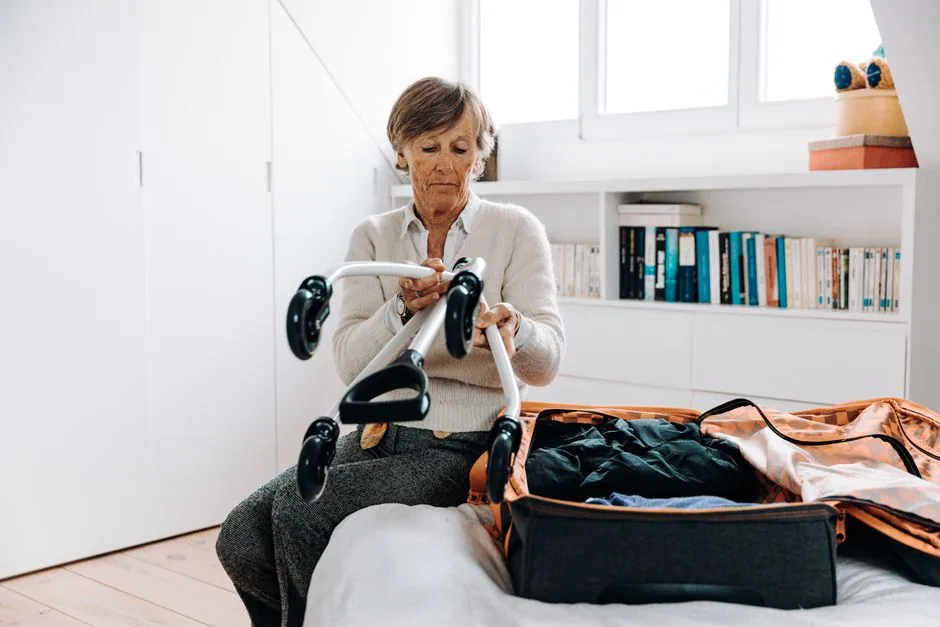
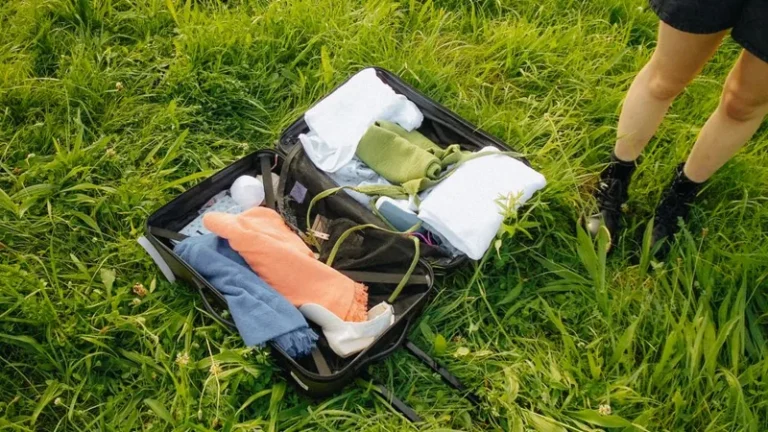
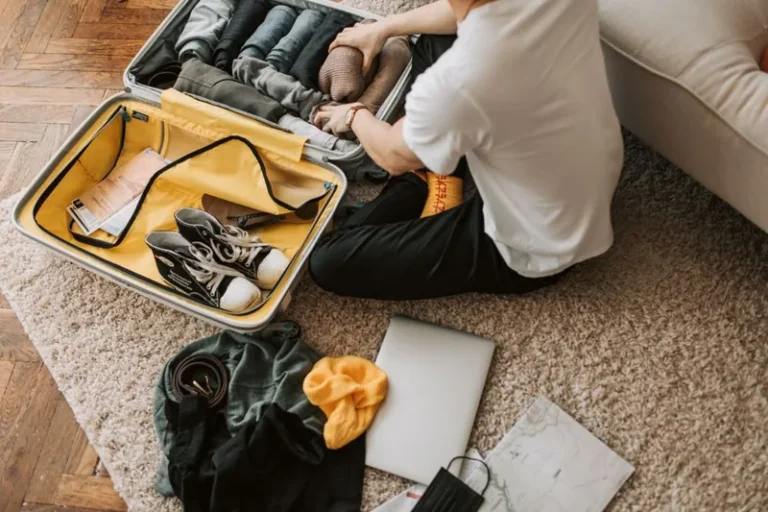
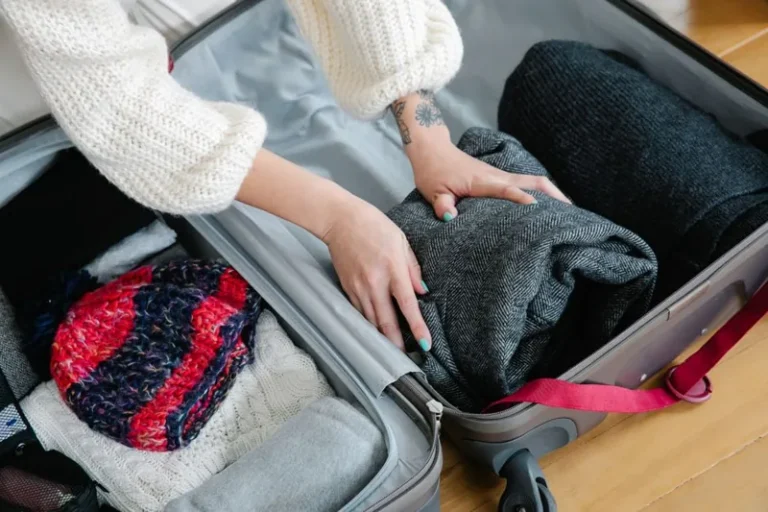
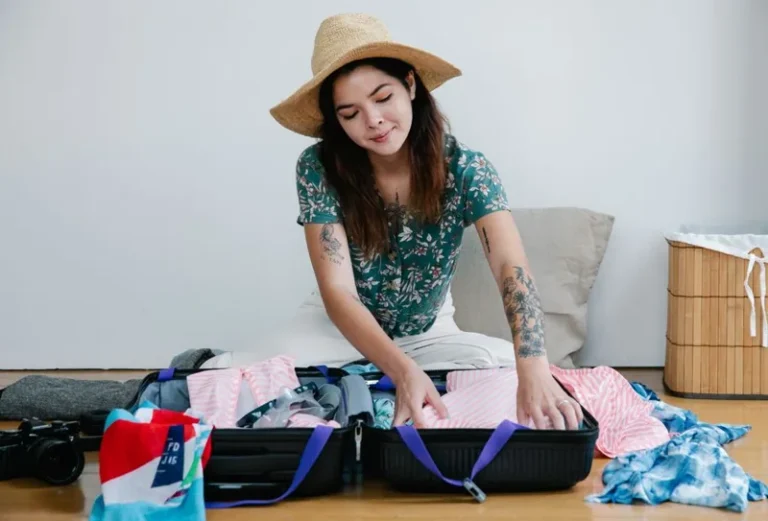
Overpacking is the number-one mistake I see. Consequently, here is the rule that changed our trips: plan five outfits per person for any trip length, and plan to do laundry. Nearly every vacation rental has a washer, and laundromats abroad are cheap and often charming.
Moreover, limit each child to one small backpack they carry themselves. They pack a few toys, their snack, and their headphones. Suddenly, they own part of the trip, and you own less of the load.
Finally, remember that almost everything is buyable at your destination. Diapers, sunscreen, shampoo — all cheaper to buy there than to haul across an ocean. The only true essentials are medications, comfort objects, and enough clothes to survive a delayed bag.
Where to Stay: Apartments Beat Hotels for Families
Hotels look convenient, yet vacation rentals usually win for families. A kitchen means breakfast at home, which saves $40–60 daily and removes the stress of a restaurant before caffeine. A separate bedroom means kids sleep at 8 p.m. while parents relax in the living room, rather than whispering in the dark at 8:15.
Compare the options before you book:
| Factor | Vacation Rental | Hotel | Family-Style Hotel/Apartment Hotel |
|---|---|---|---|
| Space to spread out | Excellent | Limited | Good |
| Kitchen | Yes | Rare | Usually |
| Laundry | Usually in-unit | Often paid | Sometimes |
| Daily cleaning | No | Yes | Sometimes |
| Best for | Stays 4+ nights | 1–2 night stops | Cities with high rental regulation |
For shorter stops, apartment hotels (like the Citadines chain across Asia and Europe) split the difference nicely. You get a kitchenette plus front-desk service.
Additionally, always check the location against transit. A cheaper rental forty minutes outside the center costs you daily energy — your scarcest resource with kids.
Keep Kids Engaged, Fed, and Happy on the Ground
Give every child a job
Kids behave better when they matter. Therefore, assign roles: the navigator holds the paper map and calls out turns, the photographer takes one picture per sight, the snack manager distributes the food. On our Japan trip, my seven-year-old’s job was finding the correct train platform. She took it so seriously that she learned the Tokyo metro faster than I did. (For route inspiration, see our Japan travel itinerary.)
Never skip the snack window
Hungry kids melt down; fed kids negotiate. So carry snacks always — not just on flights. A hangry child at 4 p.m. in the Louvre is a universal travel disaster. European pharmacies and convenience stores stock great options, but bring familiar items from home for picky eaters during the first transition days.
Trade “big sights” for “kid-sized wins”
Your children will remember feeding pigeons in a plaza more than a famous painting. Balance accordingly. One cathedral, then a playground. One museum hour, then gelato. This trade-off is not lowering the bar — it is pacing the day for the humans you actually brought.
Manage the Budget Without Killing the Fun
Family travel costs add up quickly. Nevertheless, several levers keep it reasonable:
- Travel in shoulder season. May–early June and September–October mean lower prices, thinner crowds, and better weather for walking cities.
- Use points for flights. Airline miles cover seats, and children under two fly free (on your lap) domestically. Learn the basics in our beginner’s trip planning guide.
- Book apartments with kitchens. Two restaurant meals a day instead of three saves hundreds per week.
- Seek free city cards and kid discounts. Many European cities offer free or discounted entry for kids under 12, and ages 18 and under enter state museums free in the UK. Check Visit Britain for current policies.
- Take public transport. Kids often ride free or half-price, and buses and metros are adventures in themselves.
For longer trips through multiple countries, our two-week Europe itinerary shows how to sequence cities with cheap train connections.
Health, Safety, and Paperwork Basics
Before departure, check vaccination requirements on the CDC Travelers’ Health site. Carry copies of prescriptions in their original containers. Furthermore, photograph your passports and store the images offline — this saves enormous hassle if anything goes missing.
For safety on the ground, write your hotel name and phone number on a card in each child’s pocket, plus your mobile number. Teach kids to find another parent with children if separated; it is the fastest, safest strategy in a crowd.
Finally, buy travel insurance that covers medical care abroad, since domestic health plans often don’t. Compare policies through a major comparison site like Squaremouth and read the fine print on pre-existing conditions.
Family Travel Tips FAQ
What is the best age to start traveling with kids?
Honestly, there is no perfect age — each stage brings trade-offs. Babies under one fly lap-free and sleep anywhere, but need gear. Ages four to eight are the sweet spot for many families: kids remember trips, follow simple rules, and stay fascinated by planes and trains. Teenagers engage deeply but need autonomy and slower mornings.
How do I survive a long flight with a toddler?
Combine a red-eye timing, a survival kit of snacks and wrapped novelty toys, and low expectations. Walk the aisle when the seatbelt sign is off. Let screen-time rules vanish for the flight. Above all, remember that fellow passengers tolerate crying far better than you fear.
Should I book tours or explore independently with kids?
Generally, explore independently. Fixed tours punish slow walkers and sudden nap needs. However, book short, family-specific tours (90 minutes or less) for places with big payoff — a kid-focused Colosseum tour or a hands-on cooking class. These are worth every euro.
How do I handle picky eaters abroad?
Start with familiar foods the first two days, then introduce one new dish per meal. Restaurants in Italy, Japan, and most of Europe happily accommodate simple requests. Also, involve kids in market visits — children eat food they chose themselves at dramatically higher rates.
How far in advance should I book a family trip?
Book flights three to six months out for international trips, especially with seats together as a requirement. Accommodation follows the same window in peak season. Meanwhile, keep attractions flexible — pre-book only timed-entry essentials like the Eiffel Tower or Sagrada Família.
Final Thoughts: Lower the Bar, Raise the Joy
Family travel rewards preparation but punishes over-scheduling. So plan the flights carefully, pack half of what’s on your list, book a place with a kitchen, and protect the afternoon downtime. Give the kids jobs. Feed them before they ask. Accept that some moments will unravel — those often become the stories you retell for years.
Ultimately, the destination matters less than the shared experience. Your kids won’t remember every museum. They will remember the train ride, the gelato, and that you stayed calm when things went sideways.
Ready to put these family travel tips into action? Explore our how-to-plan-a-trip guide for beginners and start sketching your next adventure today.