Solo Travel Tips for Beginners: How to Take Your First Trip Alone With Confidence
Yes, you can travel alone — even if you have never done it before. The best solo travel tips for beginners all point in one direction: start small, plan more than you think you need, and stay flexible once you land. Solo travel is not about being fearless. Rather, it is about preparation meeting curiosity. Millions of first-timers take their first solo trip every year, and most of them wonder afterward why they waited so long.
Here is the honest truth. Your first solo trip will feel strange for the first day or two. You will eat dinner alone, second-guess your directions, and maybe feel a flicker of loneliness at night. After that, something shifts. You start trusting your own judgment. You talk to strangers. You change plans on a whim because nobody is voting against you. In short, you become a better traveler — and often a more confident person.
This guide walks you through everything a beginner needs: choosing a destination, staying safe, managing money, packing light, and handling the inevitable awkward moments. Follow these steps, and your first solo adventure will run far smoother than you expect.
Choose a Beginner-Friendly Destination for Your First Solo Trip
Not all destinations treat first-time solo travelers equally. Therefore, pick somewhere with good infrastructure, easy transit, and a strong tourism culture. Specifically, look for places where English is widely spoken, ATMs are everywhere, and public transport actually works.
Great starter destinations include:
- Lisbon, Portugal — walkable, affordable, and packed with other solo travelers
- Melbourne, Australia — English-speaking, safe, and famously easy to navigate
- Kyoto, Japan — famously safe, with clear signage and helpful locals
- Banff, Canada — ideal if you prefer mountains to cities
- Amsterdam, Netherlands — compact, social hostels, and flat-out easy to explore
Conversely, avoid destinations with complicated visa rules, sketchy night transport, or zero hostel culture for your very first trip. Save those for trip number three. Once you build confidence, the whole map opens up. For instance, our Japan travel itinerary makes an outstanding second or third solo adventure because Japan rewards confident, independent exploring.
How long should your first solo trip be?
Keep it short. One week is the sweet spot for most beginners. Long enough to settle in and overcome the initial awkwardness, yet short enough that a bad day doesn’t wreck the whole experience. Weekend trips work too, especially if you want a low-stakes test run closer to home.
The Solo Travel Safety Basics Every Beginner Should Know
Safety is the number one concern beginners raise, so let us tackle it directly. Statistically, solo travel is safer than most people assume. However, smart habits matter more than statistics. Here are the safety rules that experienced solo travelers follow everywhere.
Share your itinerary
Before departure, send a friend or family member your flights, accommodation addresses, and rough plans. Then check in daily. A quick “all good” text takes five seconds. Additionally, apps like Find My Friends or Google Location Sharing let someone watch your location in real time.
Trust your gut, always
If a street, taxi, or person feels wrong, leave. No exceptions, no politeness required. Your intuition processes far more information than you realize. Consequently, treat an uneasy feeling as data, not paranoia.
Blend in and stay aware
Dress modestly compared to local norms. Walk with purpose. Keep your phone in your pocket while navigating busy areas. Furthermore, avoid headphones in unfamiliar neighborhoods at night. Petty thieves target distracted tourists, not aware ones.
Keep backups separate
Plan Your Budget Before You Go (But Leave Room for Fun)
Money stress ruins solo trips faster than almost anything else. Since nobody splits costs with you, budgeting matters more when traveling alone. First, decide your total trip budget. Next, break it into fixed costs (flights, accommodation, insurance) and daily costs (food, transport, activities).
| Expense Category | Budget per Day (Budget Trip) | Budget per Day (Mid-Range) | Money-Saving Tip |
|---|---|---|---|
| Accommodation | $20–40 (hostel) | $70–120 (private room) | Book hostels with kitchens |
| Food | $15–25 | $40–70 | Eat one market or street-food meal daily |
| Local transport | $5–10 | $15–30 | Buy multi-day transit passes |
| Activities | $10–20 | $30–60 | Book major attractions online in advance |
| Buffer | $10 | $20 | Always include a daily buffer |
Money mistakes beginners make
First, relying on one card. Cards get blocked, eaten by ATMs, or skimmed. Second, exchanging currency at airports, where rates are terrible. Instead, withdraw from bank ATMs after landing. Third, forgetting to tell your bank you are traveling, which triggers fraud locks at the worst moment. Finally, skipping travel insurance — a $60 policy beats a $6,000 hospital bill every time.
If you want a deeper framework for the whole planning process, read our guide on how to plan a trip for beginners. It covers timing, booking order, and pre-departure checklists in detail.
Pack Light — Seriously Light
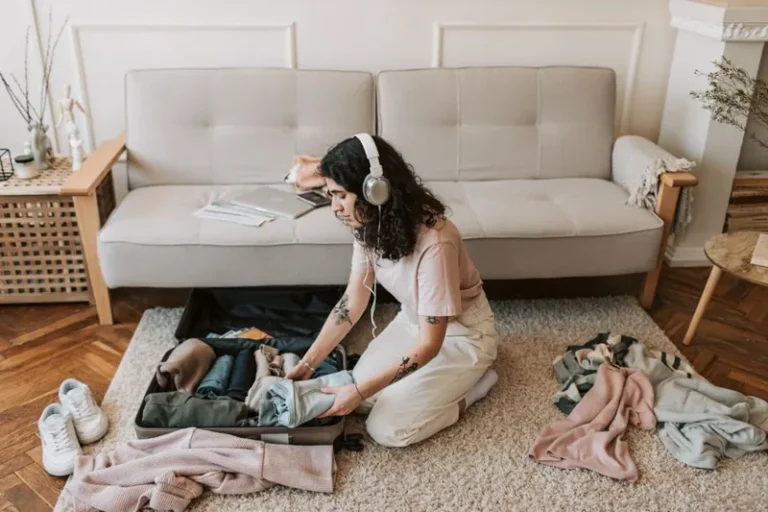
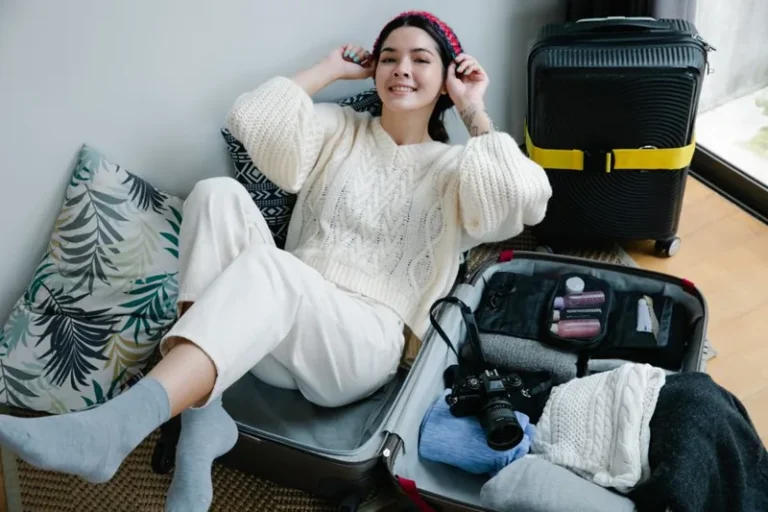
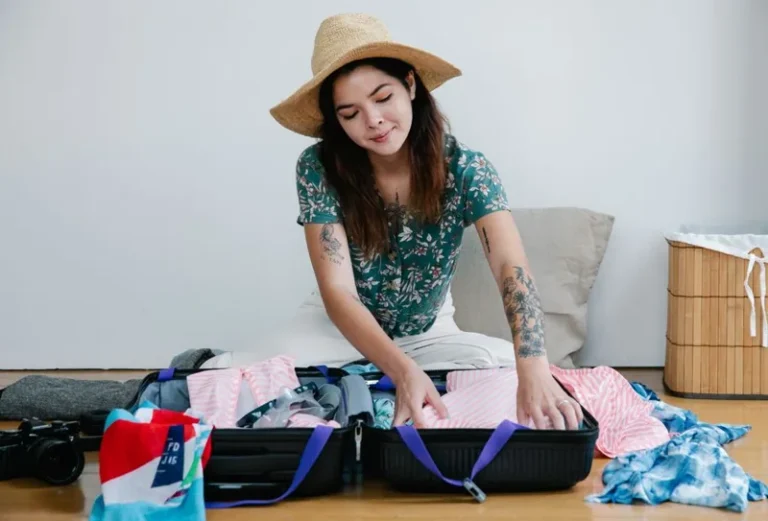
Beginners overpack. Then they drag a 23 kg suitcase up five flights of Lisbon hostel stairs and regret everything. Aim for one carry-on backpack or a small suitcase under 10 kg. As a result, you will move faster, skip baggage fees, and keep your hands free.
The beginner packing formula
- One week of clothes, regardless of trip length (you will do laundry)
- Three pairs of shoes maximum, including the ones you wear
- One universal adapter and one power bank
- A padlock for hostel lockers
- Basic medications and a mini first-aid kit
- One scarf or light layer that doubles as a blanket or pillow
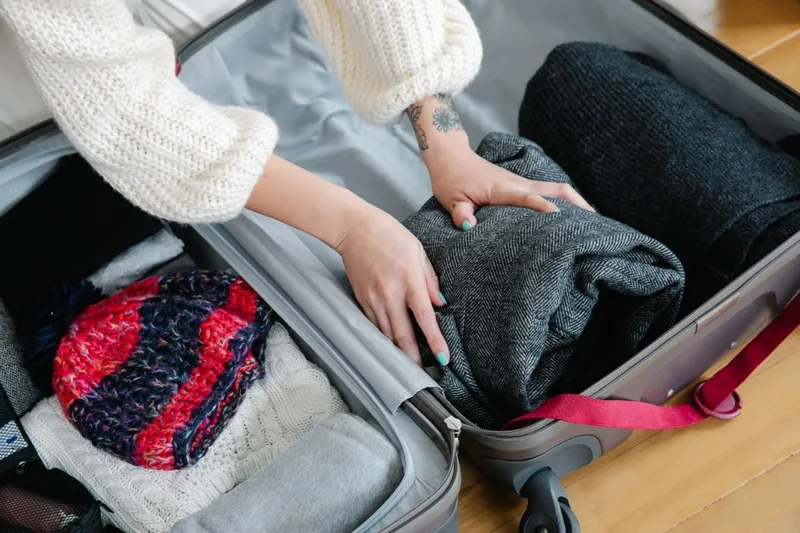
Roll your clothes instead of folding. Lay everything out first, then remove a third of it. You will not miss the extras. Moreover, packing light gives you a hidden safety benefit: less stuff means less to watch and carry through crowded stations.
Where to Stay: Hostels, Hotels, and Everything Between
Accommodation shapes your solo experience more than you expect. Hostels, for example, are not just cheap beds — they are social engines. Many run walking tours, pub crawls, and communal dinners designed for solo travelers. If dorm rooms sound intimidating, book a four-bed dorm instead of a twelve-bed one, or choose a private room inside a hostel. That way, you get quiet nights and social common areas.
Guesthouses and small hotels sit in the middle: quieter than hostels, friendlier than chains. Meanwhile, apartment rentals suit longer stays and travelers who want a kitchen. Read recent reviews carefully, and confirm check-in procedures before arrival, since late check-ins trip up many first-timers.
Whatever you choose, prioritize these three things:
- Location — walkable to sights or close to a metro stop
- 24-hour reception or clear self-check-in — so a delayed flight doesn’t become a crisis
- Recent solo-traveler reviews — people like you, describing experiences you can expect
Meet People Without Forcing It
Solo travel does not mean lonely travel. In fact, many solo travelers socialize more on the road than at home. However, meeting people requires a small push. Start with structured activities, because shared experiences break the ice naturally. Free walking tours, cooking classes, day hikes, and pub crawls all deliver instant conversation partners.
Stay in common areas instead of your room during evenings. Ask the simple question that works everywhere: “How long have you been traveling?” Additionally, apps like Meetup or hostel-specific platforms list local events. Say yes to invitations that feel right, and say no without guilt when they don’t. Remember, you owe nobody your time — that freedom is the entire point of traveling solo.
Handle the Awkward and Difficult Moments
Let’s be real about the hard parts. Eating alone feels strange for roughly two meals. After that, it becomes genuinely pleasant — bring a book, people-watch, or simply enjoy the quiet. Sitting at a bar counter instead of a table helps too, because bartenders and neighbors chat naturally.
Loneliness usually hits in the evening. Counter it with a routine: call home, journal for ten minutes, or plan tomorrow’s adventure. Additionally, slow down. Exhaustion amplifies every negative emotion, so schedule rest days. A nap and a good meal fix 80% of solo travel slumps.
What if something goes wrong?
Things go wrong on every trip — missed trains, lost phones, canceled bookings. The difference for solo travelers is that you handle it alone. First, breathe. Second, remember that problems are usually solvable within an hour or two. Locals, hotel staff, and fellow travelers help far more often than you would expect. Finally, keep your embassy’s contact info handy; US citizens can register trips through the Smart Traveler Enrollment Program (STEP), and UK travelers can check foreign travel advice on GOV.UK.
Frequently Asked Questions
Is solo travel safe for beginners?
Yes, with basic precautions. Millions of people travel alone safely each year. Follow the safety basics above: share your itinerary, trust your instincts, keep money backups, and choose destinations with good infrastructure. Notably, solo travelers often stay more alert than group travelers precisely because they know nobody else is watching out for them.
Where should a beginner go for their first solo trip?
Start with an easy destination like Portugal, the Netherlands, Australia, Canada, or Japan. These countries combine safety, reliable transport, and plenty of other travelers. For a longer first adventure in Europe, our two-week Europe trip itinerary covers beginner-friendly routes with realistic daily budgets.
Is solo travel expensive?
It costs somewhat more per person, since you cannot split rooms or taxis. However, hostels, street food, transit passes, and free walking tours keep costs manageable. Many solo travelers actually spend less overall, because they skip expensive group-oriented attractions and follow their own budget discipline.
How do I overcome the fear of eating alone?
Start small. Have coffee alone at a café first, then lunch at a counter seat, then dinner. Bring a book or journal as a prop. Within a day or two, the discomfort fades. Moreover, bar seating, food markets, and communal hostel dinners make solo eating feel completely normal.
Should I book everything in advance or stay flexible?
For a first trip, book your first two nights of accommodation, airport transfers, and any must-see attractions in advance. Beyond that, keep things loose. That structure removes arrival stress, while flexibility leaves room for spontaneous decisions — the moments that make solo travel special.
Final Thoughts: Your First Solo Trip Starts With One Booking
Solo travel rewards beginners who prepare well and then let go of perfection. Pick an easy destination. Book one week. Pack light, share your plans, budget honestly, and say hello to the person in the next hostel bunk. The confidence you build on trip one carries into every trip after it.
You do not need to be brave, experienced, or extroverted. You simply need to start. So open a calendar, choose your dates, and book that first night. Then come back and tell us how it went — Journeo readers love a good first-trip story, and we feature the best ones every month. Safe travels.
Related reading: