
Best Neighborhoods to Stay in London: A Local’s Guide for Every Budget
The best neighborhoods to stay in London are Covent Garden for first-timers, South Bank for riverside views, Shoreditch for nightlife, South Kensington for families, and Camden for budget travelers. London sprawls across 32 boroughs, so picking the right base matters more than in most cities. Choose poorly, and you’ll spend two hours a day on the Tube. Choose well, and you’ll walk everywhere.
I’ve stayed in London dozens of times over the past fifteen years, from hostel bunks in King’s Cross to boutique hotels in Marylebone. Along the way, I’ve learned which areas deliver real value — and which ones charge Mayfair prices for Travelodge experiences.
Below, you’ll find a breakdown of the seven best areas to stay in London. Each one suits a different travel style and budget. First, though, here’s a quick comparison to help you narrow things down.
Quick Comparison: Best Neighborhoods to Stay in London at a Glance
| Neighborhood | Best For | Avg. Hotel Price/Night | Nearest Tube Zones | Vibe |
|---|---|---|---|---|
| Covent Garden | First-timers | £180–£350 | Zone 1 | Theatrical, central, bustling |
| South Bank | Views & walks | £200–£400 | Zone 1 | Scenic, cultural, relaxed |
| South Kensington | Families & museums | £170–£320 | Zone 1/2 | Elegant, quiet, museum-filled |
| Shoreditch | Nightlife & food | £120–£250 | Zone 1 | Edgy, creative, loud |
| Camden | Budget travelers | £90–£180 | Zone 2 | Alternative, musical, lively |
| Marylebone | Quiet luxury | £200–£380 | Zone 1 | Village-like, refined |
| Greenwich | History on a budget | £100–£190 | Zone 2/3 | Maritime, green, peaceful |
Prices reflect typical mid-range rates for a double room. Rates spike in summer and around Christmas, so book early for June through August.
Covent Garden: The Best Base for First-Time Visitors

Covent Garden sits at the theatrical heart of the West End. From here, you can walk to Trafalgar Square in ten minutes, Leicester Square in five, and the British Museum in twelve. For first-time visitors, that centrality is worth every penny.
The neighborhood centers on the Piazza, a former fruit-and-vegetable market now filled with street performers, craft stalls, and the excellent London Transport Museum. Seven Dials, a jumble of seven intersecting streets, offers independent shops and some of the best people-watching in the city.
Where to stay:
- Splurge: One Aldwych, a converted Edwardian bank with a stunning chlorine-free pool.
- Mid-range: The Henrietta Hotel, a 18-room boutique on a quiet street moments from the Piazza.
- Budget: Generator London, a design-forward hostel a short walk north in Russell Square territory.
Trade-offs: Covent Garden gets crowded, especially on weekends and around theater matinee times. Rooms tend to run smaller than elsewhere for the same price. However, you save money on transport because you simply won’t need it.
Getting around from Covent Garden
Covent Garden, Leicester Square, and Charing Cross stations all sit within a ten-minute walk. Additionally, dozens of bus routes cross the area. Frankly, though, you’ll walk almost everywhere — and that’s the point.
South Bank: Riverside Views and Cultural Heavyweights
South Bank stretches along the Thames from Westminster Bridge to Tower Bridge. Consequently, you’ll wake up steps from the London Eye, the Southbank Centre, Tate Modern, and Shakespeare’s Globe. The riverside path here is arguably the finest walk in London.
This area rewards travelers who want scenery without sacrificing location. Imagine morning coffee overlooking the Thames, then a fifteen-minute stroll across Waterloo Bridge to Covent Garden. In the evening, the Southbank Centre’s food market and the riverside bars fill up fast.
Where to stay:
- Splurge: Sea Containers London, a nautical-themed luxury hotel right on the river.
- Mid-range: Premier Inn London County Hall — basic rooms, unbeatable views of the London Eye.
- Apartment-style: Netflix-worthy flats near Blackfriars work well for longer stays.
Trade-offs: South Bank can feel touristy near the Eye, and dining skews pricey along the river. Walk two streets inland toward Borough for better food at fairer prices. Borough Market, incidentally, sits at the eastern end and deserves a morning of its own.
South Kensington: The Best Neighborhood for Families
Families should look hard at South Kensington. Three world-class free museums — the Natural History Museum, the Science Museum, and the Victoria and Albert — sit within a five-minute walk of one another. Kids love the dinosaur skeletons; parents love the £0 admission.
The neighborhood itself feels safe, leafy, and calm. Victorian terraces line garden squares, and café-lined streets like Exhibition Road keep everyone fed. Moreover, Hyde Park borders the area to the north, so there’s always space for kids to run.
Where to stay:
- Splurge: The Gore, a gloriously old-school hotel near the Royal Albert Hall.
- Mid-range: The Aster, a polished apartment-hotel with kitchenettes — ideal for families.
- Budget: Meininger Hotel, a hybrid hostel-hotel with family rooms near Earl’s Court.
Trade-offs: Nightlife here barely exists, and restaurants close earlier than in livelier areas. Therefore, South Kensington suits families and culture lovers more than party seekers. Transport links, thankfully, are excellent — the District, Circle, and Piccadilly lines all stop here.
Shoreditch: East London’s Creative Playground
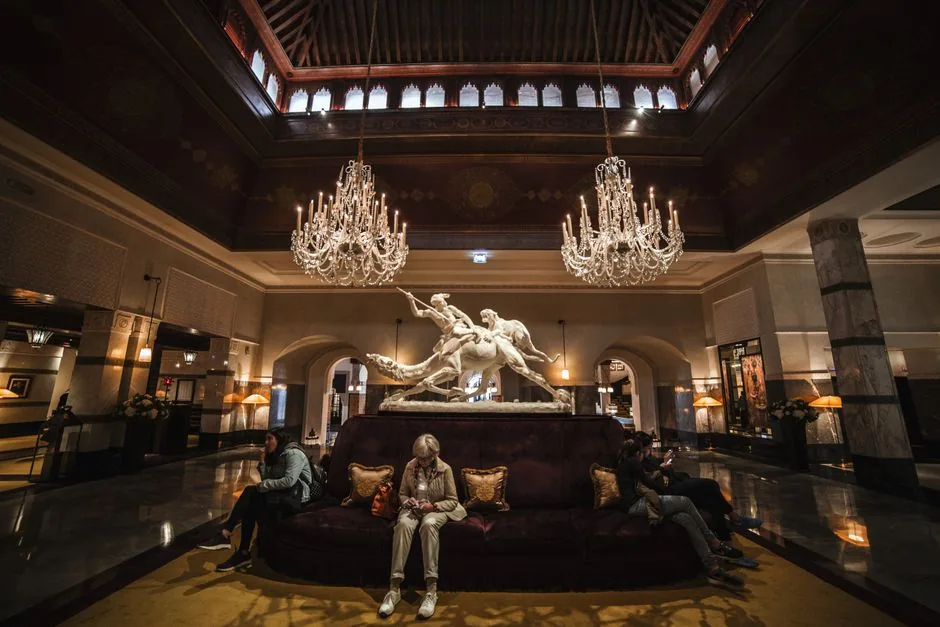
Shoreditch transformed from industrial backwater to London’s coolest postcodes over the past two decades. Street art covers Brick Lane’s walls. Vintage markets, rooftop bars, and some of the city’s best curry houses pack the streets around it.
This neighborhood suits travelers who want nightlife, food, and creative energy over classic sightseeing. Old Street and Liverpool Street stations connect you to central London in under fifteen minutes. Meanwhile, the Elizabeth Line from Liverpool Street now whisks you to Heathrow in roughly 40 minutes.
Where to stay:
- Splurge: Nobu Hotel Shoreditch, minimalist Japanese luxury.
- Mid-range: The Hoxton, Shoreditch — the original hip hotel, still delivering.
- Budget: Dictionary Hostel, cheap, social, and steps from Brick Lane.
Trade-offs: Shoreditch gets noisy on weekends, particularly around Old Street. Street art areas also attract crowds on Saturdays. If you’re a light sleeper, request a room facing away from the main roads. Also, classic sights like Buckingham Palace require a Tube ride of 20 to 25 minutes.
Camden: The Best Budget Option in Central-ish London
Camden packs more personality per square meter than almost anywhere in London. The famous Camden Market draws millions of visitors yearly, and the canal-side walks toward Little Venice offer a peaceful escape from the chaos.
Budget travelers win here. Hostels and guesthouses cost noticeably less than in Zone 1, yet Camden Town station sits just two stops from the West End on the Northern Line. Additionally, the overground connects you east toward Shoreditch and north toward Hampstead Heath.
Where to stay:
- Mid-range: The Camden Head, a pub with comfortable rooms above.
- Budget: St Christopher’s Camden, a lively hostel steps from the Lock.
- Alternative: Generator’s sister properties and independent guesthouses along Camden High Street.
Trade-offs: Weekends bring serious crowds and noise, especially near the market. The area also skews young — backpackers will love it, luxury seekers less so. Nevertheless, for value and character, Camden beats most Zone 1 alternatives.
Marylebone: Quiet Luxury Minutes from Everything
Marylebone remains one of London’s best-kept accommodation secrets. This village-like pocket sits between Oxford Street and Regent’s Park, yet it feels a world away from the shopping madness. Chiltern Street’s boutiques and cafés rank among the most charming in central London.
Because Marylebone sits in Zone 1, you can walk to Oxford Circus in ten minutes or Regent’s Park in five. Baker Street station serves five Tube lines, so connections are effortless. Additionally, Madame Tussauds and the Sherlock Holmes Museum sit on its doorstep.
Where to stay:
- Splurge: Chiltern Firehouse, the celebrity favorite in a converted Victorian fire station.
- Mid-range: The Marylebone, a reliable upscale option with a great spa.
Trade-offs: Budget options barely exist here, so look elsewhere if you’re watching pennies. Restaurants also lean expensive. Even so, for a refined, restful base, Marylebone takes some beating.
Greenwich: Maritime History and Green Space on a Budget
Finally, consider Greenwich for a slower, cheaper London experience. This UNESCO-listed maritime quarter sits southeast of the city center, anchored by the Cutty Sark, the National Maritime Museum, and the Royal Observatory — where you can straddle the Prime Meridian.
Greenwich Park offers the finest view of London’s skyline from its hilltop. Furthermore, getting there is half the fun: take the Uber Boat by Thames Clippers or the DLR through Canary Wharf’s towers.
Where to stay:
- Mid-range: The Trafalgar Tavern, a riverside pub-hotel with character.
- Budget: Hostels and B&Bs around Greenwich High Road cost far less than central equivalents.
Trade-offs: Greenwich sits in Zone 2/3, so central sights take 30 to 40 minutes to reach. In exchange, you get cheaper rooms, riverside pubs, and actual breathing room. Day trips to central London work fine; however, late-night returns require planning since the DLR slows down after midnight.
FAQ: Best Neighborhoods to Stay in London
What is the safest area to stay in London for tourists?
South Kensington, Marylebone, and Greenwich rank among the safest neighborhoods to stay in London. All three enjoy low crime rates, well-lit streets, and a residential feel. Central areas like Covent Garden remain safe too, though pickpocketing increases in crowded spots — keep bags zipped and phones secured.
Which London neighborhood is closest to the main attractions?
Covent Garden wins for proximity. From there, you can walk to Trafalgar Square, the National Gallery, Leicester Square, and the British Museum within fifteen minutes. South Bank ranks a close second, with the London Eye, Tate Modern, and Westminster all within strolling distance.
How many days do you need in London?
Plan for at least four days. That gives you time for the major museums, a West End show, one royal park, and a market or two. Seven days allows day trips to Windsor, Hampton Court, or Oxford. Your neighborhood choice matters more the shorter your stay — central bases save precious hours.
Is it better to stay in Zone 1 or Zone 2 in London?
Zone 1 maximizes walkability but costs more. Zone 2 neighborhoods like Camden and Greenwich offer better value and more local character. Since a Zone 1–2 travelcard covers both, you’ll rarely pay extra for transport. Choose Zone 2 if you want space and savings; choose Zone 1 if you want everything on your doorstep.
Final Thoughts: Choosing Your Perfect London Base
Ultimately, the best neighborhoods to stay in London depend on your priorities. First-timers should book Covent Garden or South Bank for unbeatable access. Families will thrive in South Kensington. Night owls and foodies belong in Shoreditch, while budget travelers get the best value in Camden or Greenwich.
Whichever area you pick, book early — London hotels fill up fast from May through September. For official inspiration on events during your dates, check Visit London, and compare rates on Booking.com before committing.
Planning more city breaks? Read our guides to where to stay in Paris, where to stay in Tokyo, or our deeper dive on where to stay in London for hotel-by-hotel recommendations. Safe travels — London awaits.