Where to Stay in Paris: The Best Neighborhoods for Every Traveler
If you are asking where to stay in Paris, start with this simple answer: the 4th, 5th, and 6th arrondissements offer the best mix of location, atmosphere, and walkability for most visitors. Le Marais, Saint-Germain-des-Prés, and the Latin Quarter put you within walking distance of the Louvre, Notre-Dame, and the Seine, while serving some of the best food in the city. However, the right area depends on your budget, your travel style, and what you want from the trip.
Paris is divided into 20 arrondissements. They spiral outward from the center like a snail shell, so a low number usually means a central location. That said, some outer districts offer far better value. A hotel in the 11th or 18th can cost half of what an equivalent room costs in Saint-Germain, and the metro connects everything in under 20 minutes.
Below, I break down the best neighborhoods one by one. First, you will find a quick comparison table. After that, each area gets its own section with hotel picks at every price point. I have stayed in or walked through every district listed here, and I update this guide after each visit.
Where to Stay in Paris: Quick Comparison of the Best Areas
| Neighborhood | Arrondissement | Best for | Avg. nightly rate | Vibe |
|---|---|---|---|---|
| Le Marais | 3rd/4th | First-timers, foodies | €180–€300 | Chic, historic, lively |
| Latin Quarter | 5th | Students, budget travelers | €120–€220 | Bookish, buzzing at night |
| Saint-Germain-des-Prés | 6th | Luxury, romance | €250–€500 | Elegant, café culture |
| Louvre / Palais Royal | 1st | Sightseeing maximalists | €200–€400 | Grand, central |
| Canal Saint-Martin | 10th | Local life, cool hunters | €130–€220 | Relaxed, trendy |
| Montmartre | 18th | Views, artists, budget stays | €110–€250 | Village-like, hilly |
| Bastille | 11th | Nightlife, value | €120–€200 | Gritty, energetic |
Use this table as a shortcut. Then read the details below, because each area has trade-offs worth knowing before you book.
Le Marais (3rd & 4th): Best Overall for First-Time Visitors
Le Marais sits on the Right Bank and survived Haussmann’s 19th-century rebuild almost intact. As a result, you get narrow medieval lanes, hidden courtyards, and half-timbered houses on Rue de Bretagne. Moreover, nearly everything worth seeing is within a 15-minute walk: Place des Vosges, the Picasso Museum, Musée Carnavalet, and the banks of the Seine.
Food is the other reason to stay here. The Marché des Enfants Rouges, Paris’s oldest covered market, has run since 1615. Nearby, Rue des Rosiers packs falafel institutions like L’As du Fallafel alongside modern wine bars. For dinner, book ahead at Le Potager du Marais or Marché aux Puces for classic French cooking.
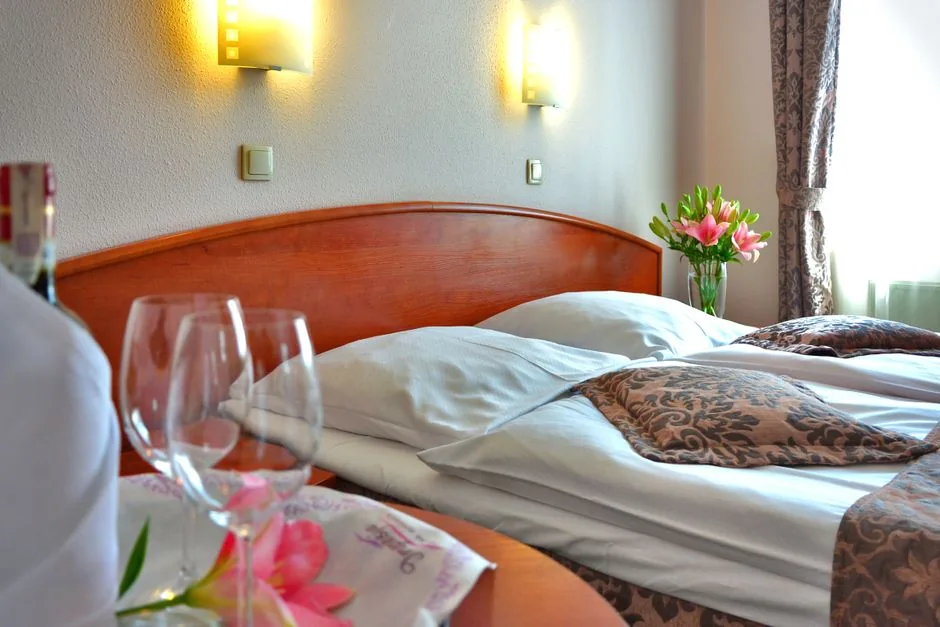
Accommodation ranges widely. Hôtel Pavillon de la Reine sits on Place des Vosges and offers courtyard calm from around €350 per night. Mid-range travelers like Hôtel du Petit Moulin, a converted 17th-century building designed by Christian Lacroix, near €280. Budget options include Hôtel Saint-Paul Le Marais, often under €160, though rooms run small.
One warning: the Marais gets loud on weekends, especially near Rue Vieille du Temple. If you sleep lightly, request a courtyard-facing room.
Saint-Germain-des-Prés (6th): Best for Luxury and Romance
Saint-Germain-des-Prés embodies the classic Paris of films. Think café terraces, art galleries, and the church bells of the Abbey of Saint-Germain-des-Prés, the city’s oldest. In addition, the Jardin du Luxembourg and the Musée d’Orsay sit on the edges of the district, so green space and world-class art come standard.
This area carries the literary weight of Sartre, de Beauvoir, and Hemingway. Consequently, Les Deux Magots and Café de Flore still serve overpriced coffee with a side of history. Skip the tourists and walk two blocks to Rue de Buci’s market stalls instead.
Hotels here skew expensive but deliver. Hôtel d’Aubusson, a 17th-century townhouse with a courtyard and small pool, starts near €320. For a splurge, the Bel Ami on Rue Saint-Benoît blends modern design with a prime location from around €400. Cheaper stays exist at Hôtel des Grands Augustins, typically €200–€250, and the Luxembourg Gardens are right outside the door.
Choose Saint-Germain if you want quiet evenings, candlelit bistros, and short walks to the Seine’s most photogenic bridges.
The Latin Quarter (5th): Best for Budget and Atmosphere
The Latin Quarter gets its name from the language students spoke here in the Middle Ages, when the Sorbonne dominated the neighborhood. Today, it remains student-driven, which keeps prices lower and streets lively. The Panthéon, Arènes de Lutèce (a real Roman amphitheater), and the Musée de Cluny all sit here, and Notre-Dame reopened in December 2024 just across the river.
Rue Mouffetard is the heart of the district. This cobblestoned market street fills with cheese shops, bakeries, and wine bars every evening. Grab a crêpe and watch the world go by.
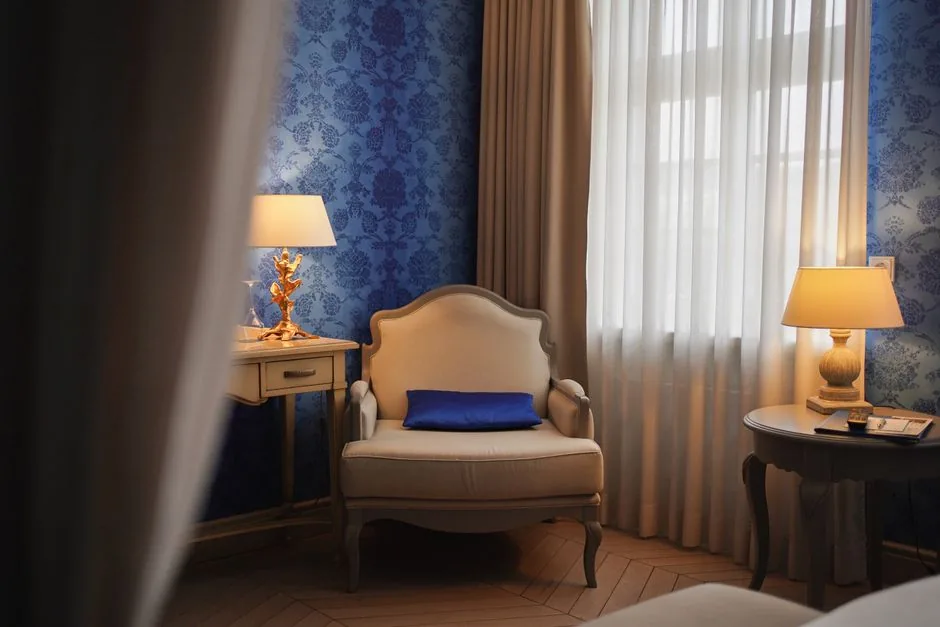
Budget picks include Hôtel Esmeralda, a quirky spot near Notre-Dame often under €150, and Hôtel Marignan, with dorms and privates from €60. Mid-range guests rate Hôtel des Grandes Écoles highly; its leafy courtyard feels a world away from the boulevards, usually €180–€220.
Montmartre (18th): Best Views and Village Charm
Montmartre sits on a hill in northern Paris and feels like a separate village, because historically it was one. Sacré-Cœur crowns the summit, and the view from its steps is the best free panorama in the city. Besides that, you get vineyards, windmills, and the square where Picasso and Van Gogh once worked.
The trade-off is distance. You will ride the metro 15 to 20 minutes to reach the Louvre or the Marais. In exchange, hotel prices drop significantly, and streets like Rue Lepic offer genuinely local bakeries and cafés.
Stay at Hôtel Particulier Montmartre for a hidden-garden splurge near €450, or choose Hôtel des Arts for around €130. Meanwhile, generator-lovers and backpackers rate Generator Paris, with beds from €40. One caution: avoid hotels directly on Place du Tertre, since tourist crowds and portrait hawkers dominate until late.
Canal Saint-Martin (10th) and Bastille (11th): Best for Local Life and Value
If you want to live like a Parisian, look at the 10th and 11th arrondissements. The Canal Saint-Martin draws locals to its iron footbridges every evening with wine and picnics. Meanwhile, the Bastille area pulses with cocktail bars, concert venues, and some of the city’s best natural wine spots.
Neither district has major monuments, and that is exactly the appeal. Instead, you get brunch spots on Rue Oberkampf, vintage shops, and dinner at Le Dauphin or Septime, which still ranks among Paris’s hardest reservations.
Hotels cost noticeably less here. Hôtel du Nord faces the canal from around €160. Generator and MOB Hotel appeal to design-minded travelers under €140. For apartments, this area offers the best short-term rental value in central Paris.
Where Not to Stay in Paris (and What to Know About Safety)
Honesty matters here. Most of Paris is safe for visitors, and violent crime against tourists is rare. Still, some areas serve tourists poorly. The strip around Pigalle and Barbes can feel seedy late at night, though it has gentrified considerably. The area around Gare du Nord works fine for a transit night but lacks charm. Likewise, the outer 13th and 19th arrondissements offer cheap rooms yet demand long metro rides to the sights.
Pickpocketing, not violent crime, is the real risk. Watch your belongings on metro line 1, at Montmartre’s summit, and around the Eiffel Tower. For official safety and practical updates, check the Paris Convention and Visitors Bureau before you travel.
How to Choose by Budget and Trip Type
Still undecided? Match yourself to these profiles. First, couples celebrating something special should book Saint-Germain or the 1st near Palais Royal. Second, solo travelers and backpackers get the best social energy in the Latin Quarter or around Bastille. Third, families do well in the 7th near the Eiffel Tower, where quiet residential streets and apartment hotels like Citadines abound. Finally, anyone on a tight budget should target Montmartre or the 11th, then ride the metro.
For booking, compare rates on Booking.com against the hotel’s own site, since direct bookings often include upgrades or breakfast. Book two to three months ahead for spring and fall, Paris’s busiest seasons.
Planning more city breaks? Our guides on where to stay in London and where to stay in Rome follow the same neighborhood-by-neighborhood format.
FAQ: Where to Stay in Paris
What is the best arrondissement to stay in Paris for first-timers?
The 4th arrondissement (Le Marais) wins for first visits. You can walk to the Louvre, Notre-Dame, and the Seine, and the neighborhood stays lively with restaurants and bars every night.
Which area in Paris is the cheapest to stay in?
The 18th (Montmartre) and 11th (Bastille) arrondissements offer the lowest rates in relatively central locations. Expect €100–€150 per night for a decent double room, compared to €250+ in Saint-Germain.
Is it better to stay near the Eiffel Tower?
Usually, no. The 7th arrondissement around the tower is quiet at night, residential, and expensive. You will take the metro to most restaurants and sights. Staying in the Marais or Latin Quarter gives you a livelier base, and the tower is a short ride away.
How many days do you need in Paris?
Plan at least four days. That covers the Louvre, Musée d’Orsay, Montmartre, the Marais, and time to wander. A week lets you add day trips to Versailles or Giverny.
Should I book a hotel or an apartment in Paris?
Hotels win for stays under three nights because check-in is easier and breakfast is included. Apartments suit longer stays and families, though French regulations have cut the licensed short-term rental supply, so book early through vetted platforms.
Final Thoughts on Where to Stay in Paris
Ultimately, where to stay in Paris comes down to rhythm. Do you want candlelit elegance in Saint-Germain, market-street energy in the Latin Quarter, or village calm in Montmartre? All three deliver the Paris you have imagined. For most travelers, the Marais offers the strongest balance of location, food, and atmosphere, while the 10th and 11th reward anyone chasing value and local life.
Pick your neighborhood first, then your hotel. The right base turns a good Paris trip into an unforgettable one. Ready to keep planning? Compare this guide with our advice on where to stay in Tokyo for your next long-haul adventure.