Where to Stay in Tokyo: The Best Neighborhoods for Every Traveler
If you are asking where to stay in Tokyo, the short answer is Shinjuku for most first-time visitors. It offers unbeatable transport connections, hundreds of hotels in every price range, and neon-lit streets that feel like the Tokyo you imagined. However, the right neighborhood really depends on your travel style, budget, and what you want from the city.
Tokyo is enormous. In fact, it is not one city but a patchwork of distinct districts, each with its own personality. Staying in the wrong area can add forty-five minutes of train time to every sightseeing day. Staying in the right one puts food, culture, and nightlife at your doorstep.
In this guide, I break down Tokyo’s best neighborhoods one by one. First, you will find a quick comparison table. After that, I cover each area in detail, including hotel recommendations at three price points. Finally, an FAQ section answers the questions travelers ask most often.
Where to Stay in Tokyo: Quick Comparison

Before diving deeper, compare the main contenders side by side. For example, families prioritize space and calm, while solo travelers often want social hostels and late-night food.
| Neighborhood | Best for | Vibe | Avg. hotel rate/night | Transit hub |
|---|---|---|---|---|
| Shinjuku | First-timers, nightlife | Electric, busy | $110–$250 | Shinjuku Station |
| Shibuya | Trend-seekers, shopping | Youthful, energetic | $100–$220 | Shibuya Station |
| Ginza | Luxury travelers | Polished, upscale | $200–$500+ | Ginza Station |
| Asakusa | Budget travelers, culture | Traditional, relaxed | $60–$150 | Asakusa Station |
| Roppongi | Art lovers, expats | International, sleek | $130–$300 | Roppongi Station |
| Ueno | Museums, families | Laid-back, local | $70–$160 | Ueno Station |
| Tokyo Station / Marunouchi | Luxury + convenience | Business-focused | $180–$450 | Tokyo Station |
In short, pick Shinjuku or Shibuya for energy. Alternatively, choose Asakusa or Ueno for value and tradition.
Shinjuku: The Best All-Round Base
Most visitors asking where to stay in Tokyo end up in Shinjuku, and for good reason. Shinjuku Station is the world’s busiest rail hub, with direct lines to almost everywhere, including the Narita Express from the airport. Consequently, you can reach Shibuya in seven minutes and Tokyo Skytree in about thirty.
The neighborhood splits into distinct zones. West of the station, you’ll find the soaring skyscrapers of Nishi-Shinjuku, plus the observation decks at the Tokyo Metropolitan Government Building, which are free. Meanwhile, east of the station lies the chaotic fun of Kabukicho, Omoide Yokocho’s yakitori alleys, and the tangle of bars in Golden Gai.
For hotels, the Park Hyatt Tokyo of Lost in Translation fame sits high above it all. On the other hand, the Keio Plaza and Hotel Gracery offer mid-range comfort, the latter with a giant Godzilla head glaring over the rooftop. Budget travelers should look at UNPLAN Kagurazaka nearby or the many business hotels around Shinjuku-sanchome.
Verdict: Stay here if you want maximum convenience and don’t mind crowds.
Shibuya: Fashion, Food, and the Famous Crossing
Shibuya pulses with youth energy. The iconic scramble crossing, the Hachiko statue, and Shibuya Sky’s rooftop deck all sit within a five-minute walk of the station. In addition, the area has reinvented itself recently with the Shibuya Scramble Square complex and a wave of stylish hotels.
Shopping here dominates the scene. Shibuya 109, Parco, and the flagship stores along Cat Street draw trend hunters from across the globe. After dark, the backstreets of Dogenzaka and Nonbei Yokocho fill with izakayas and tiny bars.
Hotel choices reflect the neighborhood’s style. Trunk Hotel offers boutique luxury in a quiet pocket near Yoyogi Park. Likewise, Shibuya Stream Excel Hotel and the Mustard Hotel deliver design-forward rooms at mid-range prices. Furthermore, the new Sakura Hotel Shibu… rather, Shibuya’s hostels, such as The Millennials, suit solo travelers who want a social scene.
Verdict: Stay here if you’re under forty, love fashion, or want Tokyo at its most kinetic.
Asakusa: Traditional Tokyo on a Budget
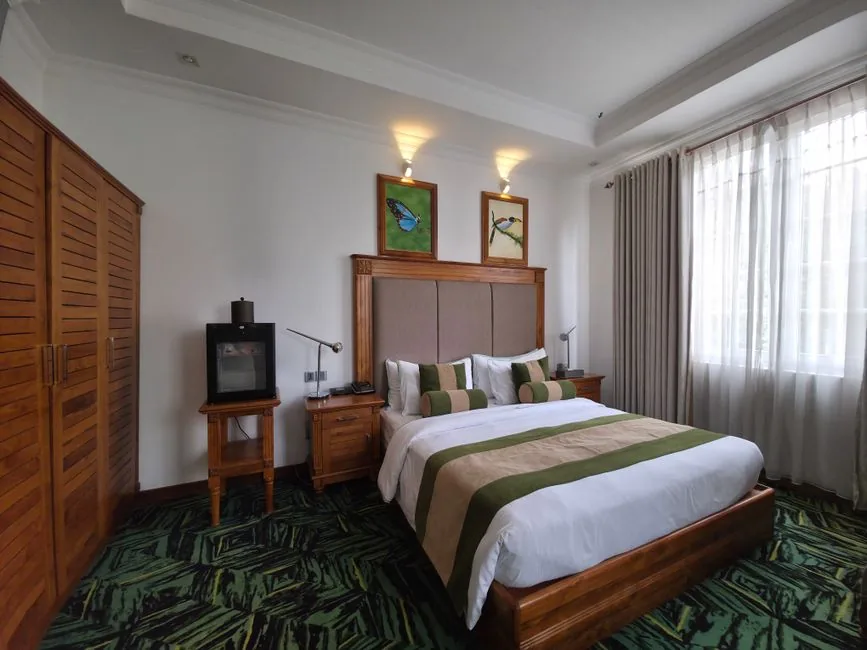
Asakusa feels like stepping back in time. Senso-ji, Tokyo’s oldest temple, anchors the district, and Nakamise shopping street leads up to it with stalls selling senbei rice crackers and traditional sweets. Because of this atmosphere, Asakusa appeals strongly to travelers who want old-world charm without old-world prices.
Hotel rates here run noticeably lower than in central neighborhoods. The Gate Hotel Kaminarimon pairs rooftop views with reasonable rates. Meanwhile, traditional ryokan like Sadachiyo offer tatami rooms and kaiseki dinners. In addition, hostels such as Nui. and The Pax hostels keep budgets under $50 per night.
Transport-wise, Asakusa sits at the end of the Ginza subway line, roughly twenty minutes from Ginza itself. Therefore, it works best as a base for travelers who don’t mind a short ride to reach central attractions.
Verdict: Stay here for culture, affordability, and a calmer pace.
Ginza and Marunouchi: Luxury Near the Top Sights
If budget allows, Ginza delivers Tokyo’s most polished stay. The neighborhood houses flagship boutiques from Chanel to Uniqlo, the striking Mikimoto building, and Kabukiza theatre, home of traditional kabuki performances. Additionally, weekend afternoons close Chuo-dori to cars, turning the main street into a pedestrian promenade.
Hotel options here reach the top tier. The Aman Tokyo, in nearby Otemachi, ranks among Asia’s finest hotels. Similarly, the Mandarin Oriental in Nihonbashi and the classic Palace Hotel Tokyo offer impeccable service. The Ginza and Mitsui Garden Ginza provide upscale comfort at gentler prices.
Marunouchi, beside Tokyo Station, deserves a mention too. Staying here puts you steps from the Imperial Palace gardens and the hop-on trains to Kyoto, Osaka, and Hakone. Moreover, the station itself contains Ramen Street and a superb food hall in the basement.
Verdict: Stay here for splurge trips, honeymooners, or anyone prioritizing comfort.
Ueno: Museums, Markets, and Family Value
Ueno often gets overlooked, yet it rewards travelers with families or museum plans. Ueno Park concentrates the Tokyo National Museum, National Museum of Western Art, and Ueno Zoo in one green space. Furthermore, in late March and early April, the park’s cherry blossoms draw enormous hanami crowds.
Ameya-Yokocho market street runs alongside the station tracks. There, vendors sell everything from fresh tuna to sneakers. As a result, the area feels local and lived-in rather than touristy.
Accommodation here favors value. The Mimaru Ueno East offers family apartment-style rooms with kitchenettes, a rarity in Tokyo. Similarly, APA Hotel and Sotetsu Fresa properties provide reliable business-hotel comfort. Above all, rates often run 30% below Shibuya equivalents.
Verdict: Stay here with kids, on a tight budget, or between April museum visits.
Roppongi and Nearby Areas for Art and Nightlife
Roppongi splits its personality between international nightlife and high culture. The National Art Center, Mori Art Museum, and Tokyo Midtown design district give the neighborhood serious art credentials. On the other hand, Roppongi’s club strip attracts a late-night international crowd that some travelers love and others avoid.
The Grand Hyatt and Ritz-Carlton anchor the luxury scene here, both inside Roppongi Hills and Tokyo Midtown. Additionally, mid-range options like the Hotel Villa Fontaine Roppongi offer solid value.
Alternatively, consider adjacent neighborhoods with distinct appeal. Nakameguro, with its canal-side cherry trees and cafes, suits design lovers. Akasaka, similarly, offers quiet business hotels near government offices. Finally, Ikebukuro, on the Yamanote line’s north side, provides big-city convenience at lower prices than Shinjuku.
Practical Tips for Booking Your Tokyo Stay
Booking smart saves real money in Tokyo. First, reserve early for cherry blossom season (late March to early April) and New Year, when rates spike sharply. Second, check whether your hotel includes breakfast, since nearby cafe options may be limited early in the morning.
Also, consider room size carefully. Standard Tokyo hotel rooms run small, often 15–20 square meters, so families should look at apartment hotels like Mimaru or stay in Ueno and Asakusa where space costs less. Moreover, confirm your airport transfer route. Shinjuku and Tokyo Station both offer direct trains from Narita, whereas Asakusa connects easily via the Keisei Skyliner to Ueno.
For official guidance on transport and etiquette, consult the Japan National Tourism Organization. For hotel comparisons and honest reviews, Booking.com’s Tokyo pages remain the most comprehensive resource.
Finally, if your itinerary combines Tokyo with Kansai, you might also enjoy our guides on where to stay in Kyoto’s neighboring cities, plus our European planning pieces on where to stay in Paris and where to stay in London.
FAQ: Where to Stay in Tokyo
How many days do I need in Tokyo?
Plan for at least four full days. This allows one day each for Shinjuku/Shibuya, Asakusa/Ueno, Ginza/Marunouchi, and a day trip, perhaps to Hakone or Kamakura. However, Tokyo rewards a full week if you have it.
Which neighborhood is best for first-time visitors?
Shinjuku wins for most first-timers because of its transport links and density of things to do. Shibuya works equally well if you prefer a younger, fashion-forward scene. In contrast, travelers seeking tradition should start in Asakusa.
Is it expensive to stay in Tokyo?
Not necessarily. Business hotels start around $60–$80 per night, and hostels cost $25–$45. In fact, Tokyo often costs less than London, Paris, or New York once you factor in cheap, excellent food and efficient public transport.
Should I stay near Tokyo Station or Shinjuku Station?
Tokyo Station suits travelers taking shinkansen trips, since Kyoto, Osaka, and northern Japan depart from there. Meanwhile, Shinjuku offers more nightlife, more hotel choice, and direct airport trains. For rail-pass travelers making day trips, Tokyo Station edges ahead.
Can I stay in a traditional ryokan in Tokyo?
Yes, though true ryokan are rarer inside the city. Asakusa and Ueno host the best options, such as Sadachiyo and Ryokan Sawanoya. Alternatively, book a night in Hakone or Nikko to experience full ryokan hospitality with onsen baths.
Final Thoughts
Choosing where to stay in Tokyo comes down to matching a neighborhood to your style. Shinjuku and Shibuya deliver nonstop energy. Asakusa and Ueno offer tradition and value. Meanwhile, Ginza and Marunouchi supply luxury near the top sights. Whichever you choose, Tokyo’s superb train network ensures nothing stays far away.
Ready to plan the rest of your trip? Browse more accommodation guides on Journeo, and check back soon for our Tokyo itinerary and packing guides. Happy travels!