Where to Stay in Seoul: The Best Neighborhoods for Every Traveler
If you are deciding where to stay in Seoul, start with Myeongdong. This central district puts you steps from street food stalls, cosmetics shops, and two subway lines, so it works for most first-time visitors. After that, your best pick depends on your style. Budget travelers and night owls love Hongdae. Luxury seekers head to Gangnam. Culture lovers choose Insadong or Bukchon for hanok lanes and temple calm.
Seoul is enormous — roughly 25 million people live in the metro area — but the subway makes it feel manageable. Almost every neighborhood on this list sits within 30 minutes of the major sights. Therefore, you do not need to obsess over location. Instead, match the district to your budget and your travel rhythm.
In this guide, I break down six of the best areas to stay in Seoul, with honest pros, cons, and specific hotel recommendations for each. I have stayed in or walked through every one of these neighborhoods across multiple trips, so you are getting real, tested advice — not guesswork.
Where to Stay in Seoul: Quick Comparison of the Best Areas
Before diving into detail, here is a side-by-side look at the main contenders. Use this table to narrow your options fast.
| Neighborhood | Best for | Vibe | Nightly budget (USD) | Transit |
|---|---|---|---|---|
| Myeongdong | First-timers, shoppers | Busy, touristy | $70–150 | Line 4, Line 2 (Euljiro) |
| Hongdae | Budget, nightlife, students | Young, energetic | $40–100 | Line 2, Airport Express |
| Gangnam | Luxury, business | Sleek, polished | $120–350+ | Line 2, Line 7, Shinbundang |
| Insadong & Bukchon | Culture, temples, hanok | Quiet, traditional | $80–200 | Line 3 (Anguk) |
| Itaewon | Food, diversity, expats | International, laid-back | $60–180 | Line 6 |
| Seoul Station / Mapo | Convenience, transit hubs | Practical, local | $50–120 | Line 1, 4, Airport Express |
Myeongdong: The Best Base for First-Time Visitors
Most travelers asking where to stay in Seoul get the same answer: Myeongdong. That advice is popular for good reason. The district sits in the heart of downtown, walking distance from the Myeongdong Cathedral, Namsan Cable Car, and the Namdaemun Market. Moreover, two subway lines cross here, so Gyeongbokgung Palace and the Dongdaemun Design Plaza are quick hops away.
The real draw, however, is the evening street food scene. Every night, vendors line Myeongdong’s main pedestrian streets selling hotteok, tteokbokki, grilled cheese lobster, and the famous tornado potatoes. You can eat dinner for under $10 without leaving your neighborhood.
On the downside, Myeongdong gets crowded, and prices run higher than in student areas. Additionally, some hotels skew toward tour groups, so read recent reviews before booking.
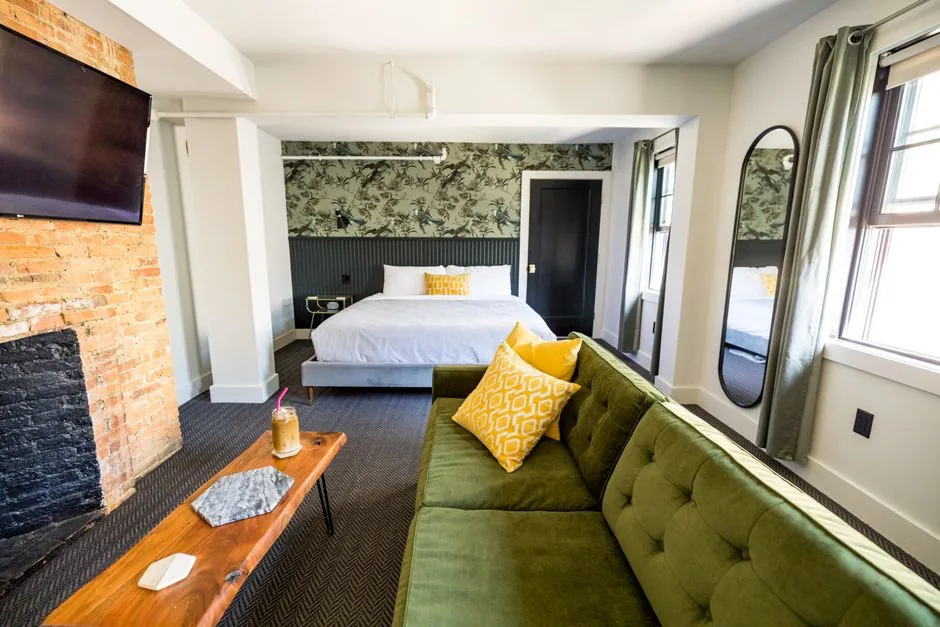
For hotels, the Nine Tree Premier Hotel Myeongdong II offers clean, modern rooms steps from the action. The Lotte Hotel Seoul sits at the top end, connected to the Lotte Department Store. For mid-range comfort, try the Tmark Grand Hotel Myeongdong, a five-minute walk from the subway.
Hongdae: The Top Pick for Budget Travelers and Nightlife
Hongdae, named after Hongik University, pulses with youthful energy. Buskers perform in the main square every weekend. Individually themed cafes line the backstreets. Meanwhile, the shopping spans vintage stores, K-pop merch shops, and indie boutiques.
For budget travelers, Hongdae offers the best value in the city. Guesthouses and hostels here charge $25–45 per night, and many include breakfast. Furthermore, the Airport Express Railroad (AREX) stops directly at Hongik University Station, so you can reach Incheon Airport in under 50 minutes without transfers.
The trade-off is noise and crowds, particularly on Friday and Saturday nights. If you sleep lightly, book a place a few blocks south toward Sangsu or Yeonnam-dong. Yeonnam-dong in particular has grown into a lovely cafe district along the old Gyeongui Line Forest Park — a green walking corridor perfect for morning jogs.
Solid picks include the RYSE, Autograph Collection for design-forward comfort, L7 Hongdae by Lotte for rooftop views, and Kim’s Guesthouse for unbeatable hostel prices.
Gangnam: Where to Stay in Seoul for Luxury
South of the Han River, Gangnam delivers Seoul’s most polished experience. Expect wide boulevards, high-end department stores like COEX Mall, and some of the city’s best hotels. Business travelers favor it, but leisure visitors enjoy it too — especially those who want spa facilities, concierge service, and quiet nights.
Key sights in the area include the Bongeunsa Temple, a 1,200-year-old Buddhist temple dwarfed by skyscrapers, plus the star-studded K-Star Road in Apgujeong. In addition, the COEX Starfield Library — a stunning open-bookshelf atrium — has become one of Seoul’s most photographed interiors.
Gangnam costs more than anywhere else on this list. However, weekend rates at business hotels often drop significantly, so check both weekdays and weekends when comparing prices.
Top choices: the Park Hyatt Seoul for floor-to-ceiling city views, the InterContinental Seoul COEX for convention access, and the Hotel Cappuccino near Gangnam Station for a boutique feel at a gentler price.
Insadong and Bukchon: Traditional Seoul and Hanok Stays
If temples, tea houses, and traditional architecture appeal to you, stay in Insadong or the neighboring Bukchon Hanok Village. This area preserves the old city. Narrow alleys of tiled hanok houses climb the hills between Gyeongbokgung and Changdeokgung palaces. Consequently, you can walk to both palaces, plus the Jogyesa Temple and the Cheonggyecheon stream, within 20 minutes.
Insadong’s main street, Insadong-gil, sells crafts, calligraphy supplies, and traditional sweets. Meanwhile, hidden alleys hide some of Seoul’s best tea houses. For a break from the city’s intensity, this district delivers.
The standout experience here is sleeping in a hanok. Several guesthouses offer traditional rooms with heated ondol floors, yoga mats as bedding, and courtyard gardens. The Rakkojae Seoul is the most famous luxury hanok stay, while Tea Guesthouse and Bonum 1897 Hanok and Boutique offer character at moderate prices. Alternatively, the modern Hotel28 Myeongdong sits nearby if you want Western beds with easy access to both areas.
One warning: Bukchon is a residential village, not a theme park. Locals live there, so keep noise down in the evenings and follow posted etiquette signs.
Itaewon: International Food and a Relaxed Vibe
Itaewon grew up around the nearby US military base and still feels the most international of Seoul’s districts. You will hear English everywhere, find food from dozens of countries, and see a more diverse crowd than anywhere else in the city. For that reason, many expats and long-term visitors base themselves here.
The dining scene is the main attraction. Ankara Picnic serves Turkish kebabs that locals swear by. Vatos Urban Tacos blends Korean and Mexican flavors. Meanwhile, the streets behind the Hamilton Hotel hide excellent Middle Eastern, Indian, and African restaurants.
Itaewon also suits travelers who want a spacious apartment-style stay. Many serviced residences operate here, which is useful for longer trips. On the negative side, it sits a bit farther from the main palaces and downtown sights — about 25 minutes by subway to Gyeongbokgung.
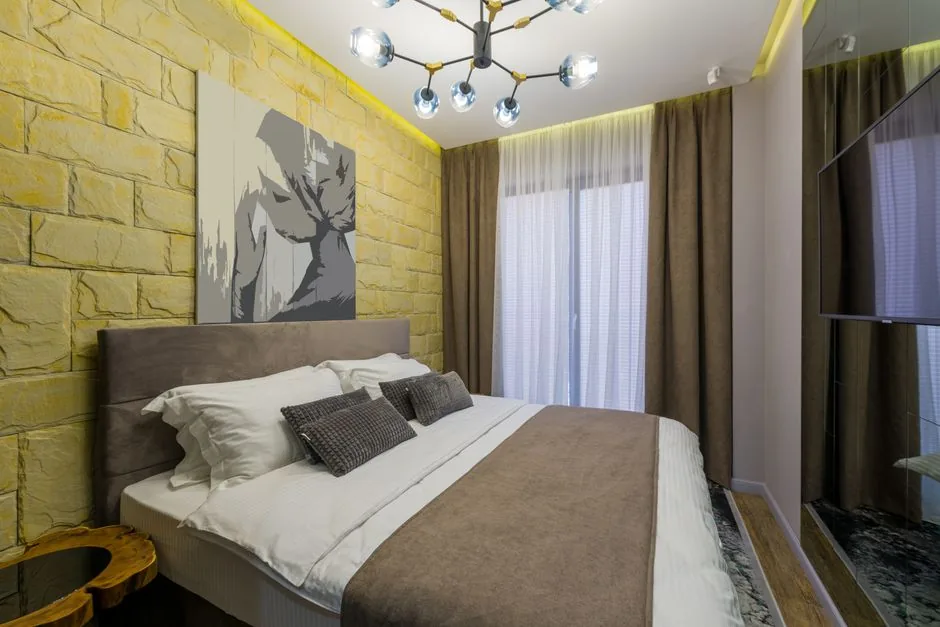
Consider the Grand Hyatt Seoul for hillside views and pools, MOXY Seoul Itaewon for trendy affordability, or Itaewon Bunny Guesthouse for a sociable hostel atmosphere.
Seoul Station and Mapo: Practical Picks for Transit-Focused Travelers
Sometimes the best answer to “where to stay in Seoul” is simply near a train station. Seoul Station connects the AREX airport line, KTX high-speed rail, and Lines 1 and 4. From here, you can reach Incheon Airport in 45 minutes and Busan in under three hours. Day-trippers to the DMZ also depart from nearby stops.
Just north, the Mapo district — covering areas like Gongdeok and Mangwon — offers better value and a more local feel. Mangwon Market serves excellent street food without tourist crowds, and the Han River parks sit within walking distance for evening bike rides.
Hotels near Seoul Station include the Four Points by Sheraton Seoul Station and the budget-friendly Metro Hotel. In Mapo, the Loterre Hotel Mapo and numerous guesthouses keep nightly rates low.
How to Choose: Matching Seoul Neighborhoods to Your Trip
Still torn? Here is a quick decision guide based on traveler type.
First, first-timers should pick Myeongdong or Insadong. Both sit within walking or short subway distance of the big five sights: Gyeongbokgung, Changdeokgung, N Seoul Tower, Bukchon, and Dongdaemun.
Second, budget backpackers belong in Hongdae. Hostel density is highest there, and cheap food is everywhere.
Third, couples celebrating something special should consider Gangnam’s five-stars or a luxury hanok in Bukchon.
Fourth, foodies get the most from Itaewon plus day trips into Mapo’s grill alleys. Seoul’s famous Han River-side fried chicken and beer culture, called chimaek, is best enjoyed from the Mapo riverside parks.
Finally, long-stay visitors and remote workers should look at Itaewon’s serviced apartments or Mapo’s monthly guesthouses. Both offer space and kitchen access that hotel rooms lack.
For official information on passes, events, and getting around, check the Korea Tourism Organization’s English site before you go.
Frequently Asked Questions About Where to Stay in Seoul
What is the best area to stay in Seoul for first-time visitors?
Myeongdong wins for most first-timers thanks to its central location, food scene, and transit links. Insadong is a strong alternative if you prefer a quieter, more traditional atmosphere while staying walking distance from the palaces.
Is Seoul expensive for accommodation?
Not really. Hostel beds start around $25 per night, and solid mid-range hotels run $70–100. Compared to Tokyo or Hong Kong, Seoul offers excellent value. Luxury hotels in Gangnam cost $200+, yet weekend deals often appear at business-oriented properties.
How many days do you need in Seoul?
Plan for four to five days. That gives you time for the palaces, Bukchon, N Seoul Tower, a DMZ day trip, and at least one market. Add two more days if you want day trips to Suwon’s fortress or Nami Island.
Should I stay north or south of the Han River?
North of the river (Myeongdong, Insadong, Hongdae) puts you closer to the historic sights and traditional culture. South (Gangnam, Itaewon’s southern edge) delivers modern Seoul, luxury hotels, and K-pop landmarks. First-time visitors usually do better on the north side.
Do hotel staff in Seoul speak English?
In major hotels, yes — fluently. In budget guesthouses, English varies, but translation apps handle most situations easily. Signage in the subway and at attractions includes English throughout the city.
Final Thoughts on Choosing Where to Stay in Seoul
Ultimately, Seoul rewards you no matter where you base yourself. The subway reaches every district quickly, cheaply, and with signage in English. Therefore, choose the neighborhood that matches your energy: buzzy Myeongdong, student-fueled Hongdae, polished Gangnam, or tranquil Bukchon.
One last practical tip: book early if you travel during cherry blossom season (early April), the Seoul Lantern Festival period, or any Korean public holiday. Rooms in the best areas sell out weeks ahead, and prices climb accordingly.
Ready to keep planning? Read our guides on where to stay in Tokyo and where to stay in London next, or see our comparison of where to stay in Paris if Europe is calling. Wherever you land, Seoul’s late-night food stalls and mountain-framed skyline will be waiting.