Hidden Gems in Portugal: 12 Underrated Places Worth the Detour
Looking for hidden gems in Portugal? Start with Piódão, Monsaraz, and Pitões das Júnias. These places deliver the scenery, history, and food that draw crowds to Lisbon and the Algarve, yet you can often explore them in near silence. Portugal rewards travelers who leave the headline attractions behind.
The numbers tell the story. Lisbon and Porto absorb the majority of Portugal’s visitors, while entire regions like the Alentejo and the northern mountains see a fraction of those crowds. As a result, you can hike to a waterfall without queuing, eat a €10 lunch beside a castle wall, and book a guesthouse the same week you travel.
I have driven, bused, and trains-ed my way across Portugal several times over the past decade. Below, I have collected the twelve spots I recommend most often to friends, plus practical tips on timing, transport, and how long to stay. First, a quick overview.
Portugal’s Hidden Gems at a Glance
Here is a quick comparison to help you plan. Afterward, I break down each place by region.
| Destination | Region | Best For | Ideal Stay | Best Months |
|---|---|---|---|---|
| Pitões das Júnias | Norte | Monastery ruins, mountain hikes | 1 night | May–Jun, Sep |
| Viana do Castelo | Norte | Coast, azulejo facades | 1–2 nights | Jun–Sep |
| Bragança | Norte | Walled citadel, quiet streets | 1 night | Apr–Oct |
| Piódão | Centro | Schist village, photography | 1 night | Apr–Jun, Sep–Oct |
| Monsanto | Centro | Boulders, castle views | Half day to 1 night | Mar–Jun, Sep–Oct |
| Marvão | Alentejo | Hilltop fortress village | 1 night | Apr–Jun, Sep–Oct |
| Monsaraz | Alentejo | Lakeside medieval village | 1 night | Apr–Jun, Sep |
| Mértola | Alentejo | Moorish history, Guadiana River | 1 night | Mar–May, Oct |
| Vila Nova de Milfontes | Alentejo coast | Beaches, estuary kayaking | 2–3 nights | Jun–Sep |
| Cacela Velha | Algarve | Quiet village, lagoon beach | Half day | May–Oct |
| Alte | Algarve | Springs, waterfalls, village life | Half day to 1 night | Apr–Oct |
| Faial Island (Azores) | Azores | Volcanic crater, hydrangeas | 3–4 nights | Jun–Sep |
Hidden Gems in Portugal’s Mountainous North
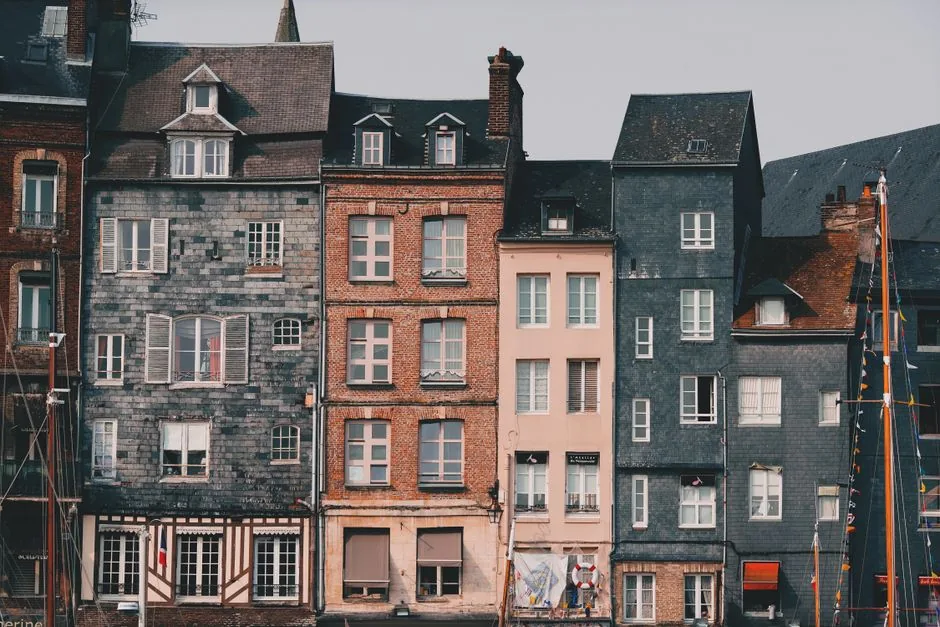
The north feels like a different country. Moreover, it often costs less than the south. Mountain granites, hardy food, and empty trails define it.
Pitões das Júnias
This is my favorite village in mainland Portugal. First, the setting: Pitões sits at 1,100 meters inside Peneda-Gerês National Park, Portugal’s only national park. Second, the payoff: a 40-minute walk downhill leads to the haunting ruins of Mosteiro de Santa Maria das Júnias, a 12th-century monastery tucked into a gorge with a waterfall behind it. Bring hiking shoes. In addition, drive the road to Fafião for river pools barely anyone visits.
Stay overnight if you can. Day-trippers vanish by late afternoon, and the village reveals its true, quiet character.
Viana do Castelo
Most travelers race past Viana on their way to Porto. That is a mistake. The old center overflows with azulejo-covered facades, and the Praça da República ranks among Portugal’s prettiest main squares. Furthermore, the basilica on Monte de Santa Luzia, reached by a funicular, offers a sweep of the Lima River estuary that rivals any viewpoint in the country. Surf schools at Praia do Cabedelo charge far less than their Algarve counterparts.
Bragança
Bragança’s walled citadel feels forgotten by time, in the best way. Walk the medieval walls, visit the 13th-century Domus Municipalis, and eat posta mirandesa, a thick steak from local cattle. In short, Bragança suits travelers who want history without ticket lines. The nearby Montesinho Natural Park offers wolf-tracking tours, too.
Central Portugal: Stone Villages and Cliff-Top Towns
Central Portugal hides some of the country’s most photogenic settlements. However, you will need a car to reach most of them.
Piódão
Piódão is the flagship of Portugal’s “schist villages” (aldeias do xisto). Dark slate houses with blue-painted doors stack themselves down a mountainside in the Serra do Açor. Consequently, photographers arrive at golden hour and stay for the silence. Park at the edge of the village, then wander on foot. The Museu de Piódão explains local life better than most rural museums. Afterward, drive the serpentining road to Figueira de Castelo Rodrigo for river gorge views.
Monsanto
Monsanto, near the Spanish border, was voted “most Portuguese village in Portugal” in 1938. Its houses squeeze between, under, and sometimes beneath giant granite boulders. Climb to the ruined Templar castle for a 360-degree view of the Beira Baixa plains. Note that the village lanes are steep and cobbled, so wear sturdy shoes. Meanwhile, the regional dish to try here is bucho recheado, a stuffed pork stomach that locals insist tastes better than it sounds.
Alentejo Hidden Gems: Portugal’s Empty Interior
The Alentejo covers a third of Portugal, yet holds barely a tenth of its population. Therefore, space, silence, and slow travel come as standard. The regional tourism board, Visit Portugal, maintains up-to-date information on the area’s historic villages.
Marvão
Marvão perches on a granite crest at 860 meters, a few kilometers from Spain. Its 13th-century castle walls wrap around whitewashed houses and barely a dozen streets. Beyond the views, the village museum and the annual chestnut festival in November give reasons to linger. Also, birdwatchers rate the surrounding São Mamede hills among Portugal’s best spots for raptors.
Monsaraz
Across the plain, Monsaraz overlooks the vast Alqueva lake, Europe’s largest artificial reservoir. Its medieval streets contain no cars and few voices. Stay until sunset, when the water turns copper and the lights of Reguengos twinkle far below. In addition, the Alqueva region holds Dark Sky Reserve certification, so stargazing here beats almost anywhere in Europe. Book a night kayak tour on the lake if you visit between May and September.
Mértola
Mértola’s layered history sets it apart. Romans, Visigoths, and Moors all left their mark, and the town’s Islamic heritage remains visible in its architecture and museum collections. The Guadiana River runs beneath the castle, and riverside trails lead to quiet beaches. Above all, visit in May during the Islamic Festival, when the town celebrates its Moorish past with crafts, music, and food.
Vila Nova de Milfontes
For a coastal alternative to the Algarve, head here. The town sits where the Mira River meets the Atlantic, so you can kayak calm estuary waters in the morning and surf Atlantic waves in the afternoon. Furthermore, the nearby Praia do Malhão and Praia da Franquia stay uncrowded even in August. Fish restaurants along the marina serve grilled catch at fair prices. If you want a day trip, the Mira Estuary and coastline belong to the protected Parque Natural do Sudoeste Alentejano e Costa Vicentina.
Algarve Hidden Gems Beyond the Beach Resorts
Yes, the Algarve gets crowded. However, most visitors cluster in a handful of resort towns. Two miles down the coast, the crowds thin dramatically.
Cacela Velha
This tiny whitewashed hamlet overlooks the Ria Formosa lagoon near Tavira. From the church terrace, the sandbar beach stretches out below, reachable by a short boat ride or a low-tide walk. Notably, Cacela Velha has almost no development, so it feels like the Algarve from 50 years ago. Go early, bring water, and avoid midday heat in summer.
Alte
Inland from Albufeira, Alte surrounds itself with springs, small waterfalls, and riverside picnic spots. Locals have bathed at Fonte Grande and Fonte Pequena for centuries. In addition, painted tile panels around the village document its traditions. Alte makes an easy half-day escape when coastal temperatures climb.
The Azores: Portugal’s Ultimate Hidden Frontier
For a bigger detour, fly to Faial in the Azores. The island’s Caldeira, a 2-kilometer volcanic crater blanketed in hydrangeas each summer, defines the word “unspoiled.” Moreover, Capelinhos, the volcano that rose from the sea in 1957–58, looks like a moonscape. Direct flights from Lisbon take about two hours. In fact, many travelers now choose the Azores over Madeira specifically to avoid crowds. The UNESCO World Heritage Centre details the protected Laurisilva forests on neighboring Madeira if you combine both archipelagos.
Practical Tips for Finding Hidden Gems in Portugal
A few logistics make all the difference. First, rent a car. Trains connect major cities, but nearly every place above requires driving. Second, travel in shoulder season. May, June, September, and October deliver good weather with far fewer visitors. Third, book rural guesthouses ahead even in quiet regions, since small properties often have only three or four rooms.
Budget realistically, too. Expect €45–70 per night for a double room in rural guesthouses, €10–15 for a filling lunch, and €5 for a glass of good local wine. Portuguese tolls add up quickly on motorways, so check whether your rental includes a toll transponder. Finally, learn a few Portuguese phrases. In small villages, English is less common, and locals genuinely appreciate the effort.
Pair these detours with city time as well. Our things to do in Lisbon guide covers the capital’s essentials before you head for the hills. Extending your trip through Iberia? Our things to do in Barcelona guide helps you plan the Spanish leg.
Frequently Asked Questions
What is the most beautiful hidden gem in Portugal?
Piódão earns that title for many travelers. Its schist houses, mountain setting, and near-total silence create an atmosphere you won’t find in better-known towns. However, Monsaraz and Marvão run it close, especially at sunset.
Do you need a car to visit Portugal’s hidden gems?
Yes, mostly. Public transport reaches Viana do Castelo and Bragança by train or bus, but villages like Piódão, Monsanto, and Marvão require driving. Rent a car at Porto, Lisbon, or Faro airport for the easiest access.
When is the best time to visit off-the-beaten-path Portugal?
May, June, September, and October work best. You’ll get pleasant temperatures, green landscapes, and low-season prices. Avoid August in the Algarve and July for the hottest interior areas like the Alentejo.
How many days do I need for a hidden gems road trip?
Plan at least 7–10 days to combine the north, central mountains, and Alentejo comfortably. Alternatively, pick one region and explore it slowly over 4–5 days. Slow travel suits these regions far better than rushing.
Is Portugal expensive compared to other Western European countries?
No. Portugal remains one of Western Europe’s most affordable destinations. Rural areas cost even less than the cities. A couple can travel comfortably on €120–150 per day, including a rental car and guesthouses.
Final Thoughts
Portugal’s magic does not stop at Lisbon’s miradouros or the Algarve’s cliffs. On the contrary, the country’s best moments often happen in a schist village at dusk, beside an Alentejo lake, or on an Azores crater rim with nobody else around. Choose two or three of these hidden gems, rent a car, and give them the time they deserve.
Ready to plan? Start with our things to do in Lisbon guide, then build your route outward. Meanwhile, check the official Visit Portugal site for opening hours and seasonal events before you go. Happy travels, and pack those hiking shoes.