Things to Do in Lisbon: 15 Unmissable Experiences in Portugal’s Capital
Looking for the best things to do in Lisbon? Ride Tram 28 through the Alfama district, wander the Belém waterfront, eat your way through Time Out Market, and watch the sunset from a miradouro. Those four experiences alone capture the heart of Portugal’s capital. But Lisbon rewards slower exploration, so this guide covers 15 essential experiences, plus practical tips on where to stay, how much things cost, and which day trips deserve your time.
Lisbon spreads across seven hills above the Tagus River. Consequently, you’ll climb stairs, duck into funiculars, and burn off every pastel de nata you eat. The city blends Moorish alleyways, tiled facades, melancholic fado music, and a food scene that punches far above its weight. Unlike many European capitals, it also remains genuinely affordable — though prices have climbed since the 2010s.
First-time visitors typically need three to four days. That allows time for the historic center, Belém, and at least one day trip. Below, I’ve organized everything by area so you can plan efficient days without zigzagging across town.
Explore Alfama, Lisbon’s Oldest Quarter
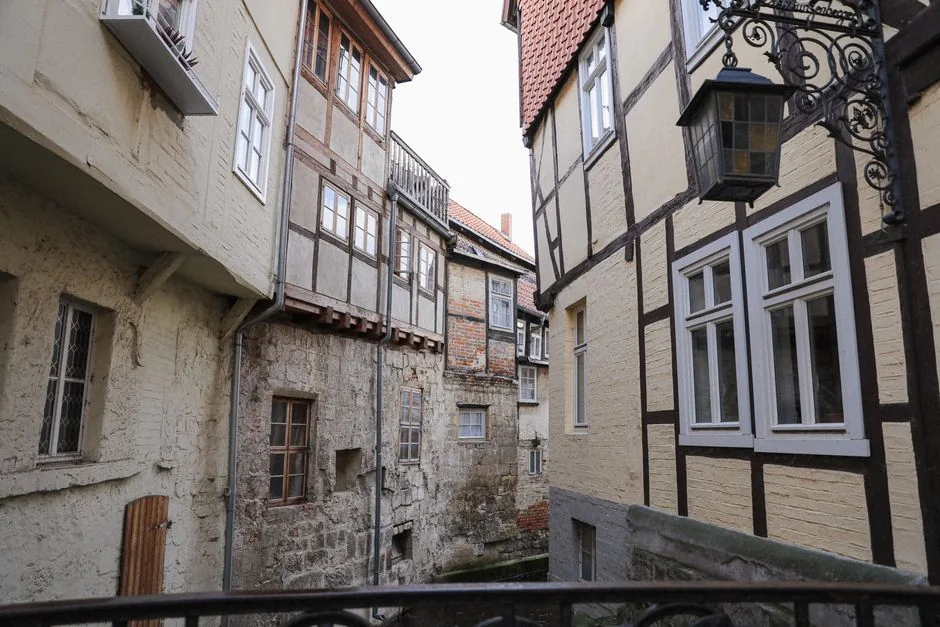
Alfama survived the 1755 earthquake that leveled most of Lisbon. As a result, its tangled streets look medieval — laundry lines, tiny squares, and bars where fado singers perform inches from your table.
Start at Portas do Sol viewpoint for a map-in-your-head overview. Then lose yourself downhill toward the Sé Cathedral, which dates to 1147. Along the way, you’ll pass the Museu do Fado, a small but excellent museum dedicated to Portugal’s mournful national music.
Where to Hear Live Fado
For an authentic night, book a table at Mesa de Frades or O Corrido. Dinner isn’t required at every venue, but a two-drink minimum is standard. Alternatively, catch a free (tips-based) performance at Tasca do Chico in Bairro Alto. Shows typically start around 9 p.m., so eat early or late.
Ride Tram 28 and the City’s Historic Funiculars
Tram 28 is the classic Lisbon experience. This rattling yellow tram from the 1930s crosses the city from Graça to Estrela, passing the Sé, Alfama, and the Baixa along the way. Ride it early — before 9 a.m. — to avoid crush-level crowds and pickpockets.
Better yet, buy a 24-hour transit pass (about €6.80 including the Viva Viagem card). This covers trams, buses, the metro, and the funiculars. The Elevador da Bica, in particular, offers one of the most photographed descents in the city.
For context on routes and fares, check the official Carris transport site.
Visit Belém: Tower, Monastery, and the Original Pastel de Nata
Belém sits 6 km west of the center, but it earns half a day easily. This riverside district launched the Age of Discovery, and its monuments reflect that golden era.
The Big Three Sights
First, the Jerónimos Monastery — a UNESCO-listed Manueline masterpiece. Book tickets online and see the cloister, which is the real stunner. Second, the Belém Tower, a fortress that once guarded the river mouth. Third, the Monument to the Discoveries, with its dramatic stone caravel pointing toward the sea.
Then there’s the essential stop: Pastéis de Belém. This bakery has made custard tarts since 1837, using a secret recipe from the neighboring monastery. Eat them warm, sprinkled with cinnamon, at a table inside rather than queuing for takeaway.
Eat and Drink Your Way Through Lisbon
Lisbon’s food scene has exploded in the last decade. However, you don’t need white-tablecloth restaurants to eat brilliantly here.
Time Out Market
Time Out Market in Cais do Sodré gathers some of the city’s best chefs under one roof. Expect queues at peak hours, but the quality justifies the wait. Try a bifana (pork sandwich) from Henrique Sá Pessoa’s stall, or a contemporary twist on bacalhau.
Classic Tascas and Local Dishes
For old-school cooking, head to a tasca — a no-frills neighborhood tavern. In Graça, O Pitéu serves generous grilled fish plates at fair prices. Order the following local classics at least once:
- Bacalhau à brás — salt cod with eggs, onions, and fried potatoes
- Grilled sardines — everywhere during June’s Santos Populares festivals
- Ameijoas à Bulhão Pato — clams in garlic, coriander, and white wine
- Ginjinha — sour cherry liqueur, served in a chocolate cup near Rossio
Wander the Views: Lisbon’s Best Miradouros
Lisbon’s viewpoints, called miradouros, define the city. Each offers a different angle, and most have kiosk bars where a beer costs under €3.
The standout picks:
| Miradouro | Neighborhood | Best For |
|---|---|---|
| Miradouro da Senhora do Monte | Graça | Panoramic sunset, fewer crowds |
| Santa Catarina (Adamastor) | Bica | River views, lively atmosphere |
| São Pedro de Alcântara | Bairro Alto | Castle views, formal garden |
| Arco da Rua Augusta | Baixa | Rooftop terrace over Praça do Comércio |
Arrive 45 minutes before sunset for a seat. Afterwards, many viewers drift downhill into Bairro Alto for bar-hopping — the neighborhood doesn’t wake up until after 10 p.m.
Explore the Castelo and Mouraria
São Jorge Castle crowns the highest hill in the center. Its battlements deliver 360-degree views, and the resident peacocks entertain kids. Tickets cost around €15 for adults; enter early or late in the day to dodge tour groups.
Below the castle, the Mouraria district offers a rawer version of Alfama. Traditionally the Moorish quarter, it’s now a multicultural neighborhood with street art, cheap eats, and Largo da Graça’s evening buzz. Fado was arguably born here, so the Museu do Fado connection runs deep.
Cross to Cais do Sodré and the LX Factory
Cais do Sodré has transformed from red-light strip to nightlife hub. The strip of bars along Pink Street draws a young crowd, while the nearby Mercado da Ribeira (home to Time Out Market) handles the food. Meanwhile, the Rocha Conde d’Óbidos viewpoint nearby gives a quieter river perspective.
West of here, the LX Factory occupies a restored industrial complex under the 25 de Abril bridge. Browse the Ler Devagar bookstore — famous for its flying-bicycle installation — then climb to the rooftop Rio Maravilha bar for a bridge-level view. Allow two to three hours.
Take a Day Trip to Sintra (or the Beach)
Sintra lies 40 minutes by train from Rossio station, yet it feels like another world. Pena Palace, with its candy-colored towers, tops every visitor’s list. Consequently, you should buy timed tickets weeks in advance and arrive before 10 a.m. The microclimate means mist rolls in fast, so layers help.
Alternatively, combine Sintra’s center — the Quinta da Regaleira estate with its initiation well is unforgettable — with Cabo da Roca, mainland Europe’s westernmost point.
Prefer sand over palaces? Take the train to Cascais for beaches, or ride tram 15 to Belém and catch the ferry at Cais do Sodré to Cacilhas for grilled fish with city views across the water.
For official opening times and ticketing, consult Visit Lisbon, the official tourism board.
Practical Tips: Money, Transport, and Timing
Portugal uses the euro. Card payment is nearly universal, but carry €20-30 cash for markets and small tascas. Tipping is modest — round up the bill or leave 5-10%.
Lisbon’s metro is clean and efficient, though the historic center is best explored on foot. Wear proper shoes; the calçada cobblestones turn slick in rain and destroy flimsy sandals.
Timing matters too. May, June, September, and October offer the best weather-to-crowd ratio. August gets hot and touristic, while many smaller businesses close for holidays. If you’re comparing city-break seasons across Europe, our guide to the best time to visit Japan shows a similar shoulder-season logic for a very different destination.
FAQ: Things to Do in Lisbon
How many days do you need in Lisbon?
Plan for three to four days. That covers the historic center, Belém, a viewpoint sunset, a fado night, and one day trip to Sintra. With only two days, skip Sintra and focus on Alfama, Baixa, and Belém.
Is Lisbon expensive to visit?
Compared to Paris or Amsterdam, no. Budget roughly €60-100 per day per person, including a mid-range guesthouse, meals, and transport. Attractions like the castle and Jerónimos Monastery add up, so a Lisboa Card can pay off if you plan to visit several paid sites.
What is the best month to visit Lisbon?
May, June, September, and October deliver warm weather without peak-season crowds or prices. March and April work too, though rain is more likely. July and August bring heat above 30°C and cruise-ship crowds.
Is Lisbon walkable?
Partly. The historic center is compact but extremely hilly. Expect steep climbs between neighborhoods. Use the funiculars, Tram 28, or ride-share apps when your legs give out — they will.
What food must I try in Lisbon?
Pastel de nata (ideally warm at Pastéis de Belém), bacalhau à brás, grilled sardines in season, bifana sandwiches, and a glass of vinho verde. Finish with ginjinha, the cherry liqueur locals drink standing at hole-in-the-wall bars.
Final Thoughts: Start Planning Your Lisbon Trip
Lisbon rewards travelers who mix the famous with the overlooked. Yes, ride Tram 28 and photograph the Belém Tower. But also linger in Mouraria, order clams in a Graça tasca, and let a fado singer stop your conversation mid-sentence. That balance — iconic sights plus unhurried local moments — is what makes the city stick with you.
Pick your base neighborhood first: Baixa for convenience, Alfama for atmosphere, or Príncipe Real for a calmer, local feel. After that, everything on this list falls into place easily.
Enjoyed this guide? Browse our other city guides, including things to do in Barcelona and things to do in Prague, and start building your next European adventure with Journeo.