Hidden Gems in Croatia: 9 Places the Crowds Haven’t Found Yet
Looking for hidden gems in Croatia? Skip Dubrovnik’s battlements in July and head inland instead. Croatia holds far more than its famous walled city and Hvar’s cocktail bars. In fact, the country stretches over 56,000 square kilometres, and most visitors explore barely a tenth of it. So the empty pebble coves, waterfall pools and hilltop villages still exist — you just need to know where to look.
I have driven, ferried and hiked across Croatia several times over the past decade. Along the way, I found places that stunned me more than the postcard stars ever did. Think: a canyon where a river disappears underground, an island with no cars and 30 permanent residents, and a town where truffles get pulled from the forest floor each morning.
Below, I share my nine favourite hidden gems in Croatia, with practical tips on getting there and the best time to visit. First, a quick overview so you can plan your route.
Quick Comparison: Croatia’s Best-Kept Secrets
| Destination | Region | Best For | Getting There | Best Months |
|---|---|---|---|---|
| Vis Island | Dalmatia | Beaches, wine, military history | Ferry from Split (2h 20m) | May–Jun, Sep–Oct |
| Rastoke | Central Croatia | Waterfalls, village charm | 1h drive from Zagreb | May–Sep |
| Premužić Trail | Northern Velebit | Hiking, mountain views | 1h 45m from Zadar | Jun–Sep |
| Kornati Islands | Dalmatia | Sailing, raw nature | Boat trip from Murter | Jun–Sep |
| Motovun | Istria | Truffles, hilltop views | 1h from Pula by car | Sep–Nov |
| Slano | Dubrovnik Riviera | Quiet coastal walks | 40 min from Dubrovnik | Apr–Jun, Sep |
| Vela Draga | Istria | Canyons, viewpoints | 15 min from Opatija | Year-round |
| Lastovo | South Dalmatia | Stars, solitude | Ferry from Split (4h 45m) | Jun–Sep |
| Zagorja castles | Northern Croatia | History, spa towns | 45 min from Zagreb | Apr–Oct |
Vis: The Island Croatia Kept to Itself
For decades, the Yugoslav army banned foreign visitors from Vis, so the island escaped the concrete development that spread across the coast. As a result, it still feels raw, green and gloriously slow. The town of Vis hugs a wide bay, while on the far side, Komiža curls around a fishing harbour where dinner is still whatever the boats brought in.
Head to Stiniva Beach if you want the island’s signature view. The pebble cove sits between two cliffs that almost touch, and you reach it via a steep 20-minute descent. Alternatively, rent a scooter and ride to Plisko Polje, where farmers grow the Plavac Mali grapes behind Viška Vugava, one of Croatia’s most distinctive white wines.
Game of Thrones fans know the Blue Cave on nearby Biševo, but go before 9 a.m. to beat the boat crowds. For military history, explore Tito’s tunnels cut into the hillside above Vis town — they’re free to enter and eerily quiet.
Getting there: Jadrolinija runs a car ferry from Split, roughly 2 hours 20 minutes. Book ahead in summer, because spaces sell out.
Rastoke: A Village Built on Waterfalls
Rastoke sits where the Slunjčica River tumbles into the Korana, and the village uses that power literally. Mills spin on the rapids, waterfalls pour past cottage doorways, and wooden walkways thread between the spray. Frankly, it looks like a fairytale someone forgot to commercialise.
Because Rastoke lies just off the A1 motorway between Zagreb and Plitvice Lakes, most people drive past. That’s a mistake. Stay overnight in one of the restored mill houses, and you’ll have the waterfalls almost to yourself after the day-trippers leave. Entrance costs a few euros, and the village cafés serve excellent štrukli, a rolled pastry baked in cream.
Tip: Pair Rastoke with Plitvice. Stay here instead of at the park, then enter Plitvice at 7 a.m. when the gates open. You’ll walk the boardwalks before the tour buses arrive.
Northern Velebit: The Premužić Trail
Croatia’s mountains get ignored, which puzzles me. The Premužić Trail winds 57 kilometres through Northern Velebit National Park along dry-stone paths built in the 1930s. Hikers get limestone peaks, beech forest and views that drop clean to the Adriatic. Yet even in August, you might pass only a handful of people.
Most visitors tackle a section rather than the full route. The stretch from Zavižan to Alan covers 16 kilometres and takes about six hours. Along the way, the trail crosses Rossi’s Shelter, a stone hut where you can refill water. Additionally, the park shelters the famous botanical reserve at Zavižan, home to over 100 plant species found nowhere else.
Practical note: Zavižan sits at 1,594 metres, so pack layers even in July. Nights here drop below 10°C.
The Kornati Islands: A Stone Labyrinth
Sailors call Kornati “a maze of stone dropped into the sea,” and the description fits. This archipelago of 89 islands covers 220 square kilometres, yet holds almost no permanent population. Instead, you’ll find karst rock, olive scrub, occasional sheep and restaurants that only open when a boat calls ahead.
The best way to explore involves hiring a skippered boat from Murter or joining a day trip from Zadar. Either way, anchor at Lojeniče bay for swimming, then eat grilled fish at a family konoba on the island of Žut. Meanwhile, divers should head to the wreck near Vela Panitula, and hikers can climb the Metlina ridge on Kornat for a panorama over the whole archipelago.
Because the islands became a national park in 1980, entry tickets fund conservation. Buy them at the marina or online before you sail.
Istria’s Interior: Motovun and Vela Draga
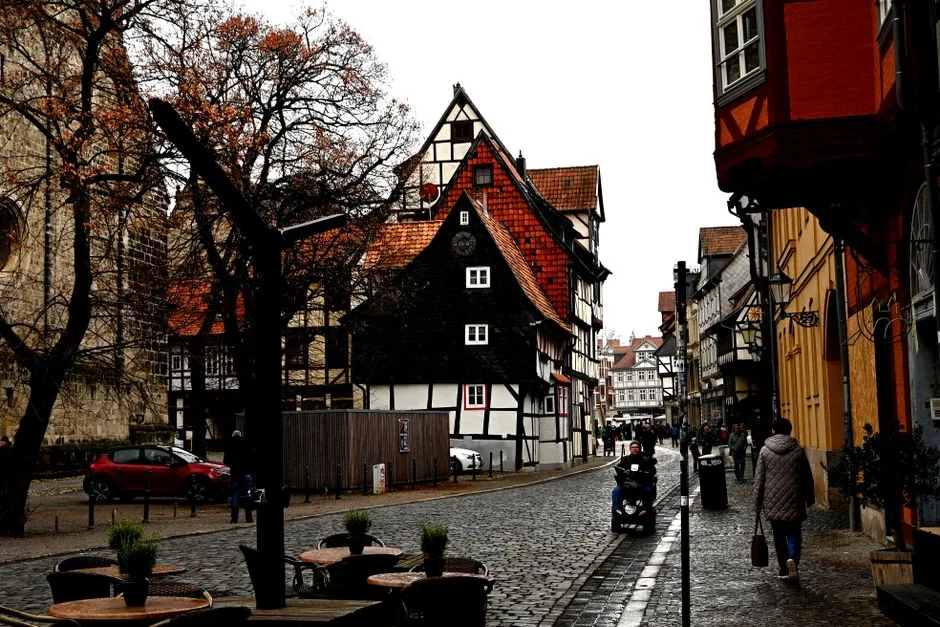
Istria gets busy on the coast, but drive 30 minutes inland and the story changes. Motovun perches on a hill 277 metres above the Mirna River valley, wrapped in Venetian walls and surrounded by the Motovun Forest. That forest produces some of the world’s best white truffles, and in autumn the smell of truffle risotto drifts down every street.
Climb the town walls at sunset for views over vineyards and mist-filled valleys. Afterwards, drive the Parenzana cycling route, a disused railway line that tunnels beneath the hills. Near Buzet, stop at Vela Draga, a canyon of limestone towers beneath the Učka bridge viewpoint. Photographers love it at dawn.
Food tip: Book a truffle hunt with a local family in Buzet between September and December. Most hunts include tastings of truffle cheese, honey and brandy.
Lastovo: Croatia’s Darkest Sky
Lastovo sits so far south that day-trippers never reach it, and the island intends to keep it that way. In fact, Lastovo holds official protection as a “dark sky” area, so stargazing here rivals anything in Europe. On clear nights, the Milky Way stretches horizon to horizon.
Beyond the stars, Lastovo offers quirky sights: chimneys decorated like miniature minarets (fumari), the red-earth beaches of Zaklopatica bay, and the isolated lighthouse at Struga where you can rent a room. Hike to Hum, the highest point, for a 360-degree view of the surrounding islets. Consequently, you’ll understand why locals rarely leave.
Getting there: The Jadrolinija ferry from Split takes 4 hours 45 minutes and runs daily in season. Bring cash, because some konobas still don’t take cards.
Slano and the Elaphite Coast
Just 40 minutes northwest of Dubrovnik, Slano delivers the Riviera experience without the crowds. This sheltered bay once served the Dubrovnik Republic’s shipyards, and galleys were built along its shore. Today, the village offers pebble beaches, coastal footpaths and a Franciscan monastery you can often visit alone.
From Slano, kayak across to the nearby Elaphite Islands of Šipan and Lopud. Lopud’s Šunj beach features shallow sand and pine shade, yet remains calm compared to Dubrovnik’s Banje. Above all, come here to slow down. Days in Slano revolve around swimming, long lunches and the evening passeggiata along the waterfront.
Zagorja: Castles and Thermal Springs
North of Zagreb, the Zagorja region rolls with vineyards, wooden churches and fairytale castles. Trakošćan Castle looks lifted from Bavaria, complete with a lake reflecting its towers. Meanwhile, Veliki Tabor hosts medieval tournaments in summer, and Krapina holds one of Europe’s most important Neanderthal finds, displayed in a striking museum.
After sightseeing, soak at Stubičke Toplice or Terme Tuhelj, thermal spas where locals have bathed since Roman times. Because Zagorja lies within an hour of the capital, it works perfectly as a relaxed day trip or overnight escape. Pair it with a visit to Kumrovec, an open-air museum of 19th-century village life.
Practical Tips for Finding Hidden Gems in Croatia
Travel logistics in Croatia reward a little planning. First, rent a car if you want the inland gems, because buses reach few villages. Second, travel in shoulder season — May, June, September and early October — when the sea stays warm and the crowds thin out. Third, book ferries to Vis and Lastovo early, since car decks fill fast in summer.
Money matters have simplified since Croatia adopted the euro in 2023. Still, carry some cash for island konobas and rural entrance kiosks. Also, learn a few Croatian phrases. Even a simple “dobar dan” earns warm smiles in villages that rarely hear foreign languages.
For official information on park opening hours and ferry schedules, check the Croatian National Tourist Board before you travel. Likewise, UNESCO’s pages cover protected sites if you want cultural depth alongside nature.
FAQs About Hidden Gems in Croatia
What is the most beautiful undiscovered place in Croatia?
Lastovo stands out for many travellers. Its dark-sky status, empty beaches and slow ferry connections keep tourism minimal. Rastoke runs a close second for pure visual drama, with waterfalls flowing straight through the village.
When is the best time to visit Croatia without crowds?
Visit in May, June, September or early October. During these months, you’ll enjoy sea temperatures above 20°C, open restaurants and ferry schedules, plus far fewer tour groups than in July and August.
Do you need a car to explore hidden gems in Croatia?
For coastal islands like Vis and Lastovo, ferries and local buses suffice. However, inland destinations such as Rastoke, Motovun and the Zagorja castles really require a rental car for flexibility.
Are Croatia’s hidden destinations cheaper than Dubrovnik?
Generally, yes. Meals on Lastovo or in Istria’s interior often cost 30 to 40 percent less than equivalent fare in Dubrovnik or Hvar Town. Family-run konobas offer the best value overall.
How many days do you need for off-the-beaten-path Croatia?
Plan at least ten days. That allows a loop combining Istria, the northern mountains, one Dalmatian island and Slano without rushing. Two weeks feels ideal and lets weather dictate your pace.
Start Planning Your Croatian Escape
Croatia’s famous cities deserve their reputation, but its quieter corners deliver the memories you’ll actually keep. A waterfall village at breakfast, a stone-empty archipelago by afternoon, and truffle risotto under a sky full of stars — that’s the real magic of hidden gems in Croatia. Pick two or three from this list, book the ferry, and let the country surprise you.
Want more European inspiration next? Browse our guides to things to do in Lisbon, things to do in Barcelona and things to do in Prague — or check ferry timetables and compare fares on Omio for your Croatian island-hopping route. Happy travels from all of us at Journeo.