Best City Breaks in Europe: 8 Unforgettable Weekends for 2025
Looking for the best city breaks in Europe? Start here. Lisbon, Prague and Seville top our list for 2025, thanks to short flight times, walkable centres and outstanding food. In fact, you can reach all eight cities below from most UK airports in under four hours. That makes them perfect for a Friday-to-Monday escape.
But choice creates confusion. Should you chase tapas in Barcelona or soak in a Budapest thermal bath? Is Prague still cheap? Consequently, we’ve broken down each city by vibe, budget and the ideal length of stay. Moreover, we’ve included a comparison table so you can match a destination to your travel style in seconds.
We’ve spent years criss-crossing the continent, from Trastevere trattorias to Prague’s Malá Strana backstreets. Below, you’ll find honest, current advice — including which cities to avoid in August and where your money stretches furthest.
Quick Comparison: The Best City Breaks in Europe at a Glance
First, the short version. This table compares our eight picks on budget, ideal stay and what each city does best. Afterwards, we dive into detail on every destination.
| City | Best for | Budget (2 nights, p.p.) | Ideal stay | Best months |
|---|---|---|---|---|
| Lisbon | Hills, viewpoints, seafood | £280–£400 | 3 nights | Mar–Jun, Sep–Oct |
| Prague | Fairytale architecture, beer | £220–£350 | 2–3 nights | Apr–May, Sep |
| Seville | Sun, tapas, Moorish history | £260–£380 | 2–3 nights | Mar–May, Oct |
| Barcelona | Food, beach, Gaudí | £320–£480 | 3 nights | Apr–Jun, Sep–Oct |
| Rome | History at every turn | £300–£450 | 3 nights | Apr–May, Oct |
| Copenhagen | Design, cycling, hygge | £400–£600 | 2–3 nights | May–Sep |
| Budapest | Thermal baths, nightlife | £200–£320 | 2–3 nights | Apr–Jun, Sep |
| Porto | Port wine, riverside charm | £220–£340 | 2 nights | May–Sep |
As you can see, Budapest and Porto suit tighter budgets. Copenhagen, by contrast, demands a bigger wallet but rewards you with unmatched design culture.
Lisbon: Hills, Trams and Europe’s Best Light
Lisbon earns its place at the top of our list. For starters, the light here is famous — pale buildings and steep alleys glow gold in the late afternoon. Secondly, the food scene punches well above its weight. Order grilled sardines in Alfama, then finish with a pastel de nata from Manteigaria in Chiado. Trust us, the queue moves fast.
Ride the historic Tram 28 early in the morning to beat the crowds. Afterwards, climb to Miradouro da Senhora do Monte for the city’s finest viewpoint. For deeper planning, read our full guide to things to do in Lisbon.
Practical tip: Lisbon’s hills are brutal, so wear proper shoes. Also, buy a rechargeable Navegante card for cheaper metro and tram fares.
Prague: Fairytale Spires Without the Fairy-Tale Budget
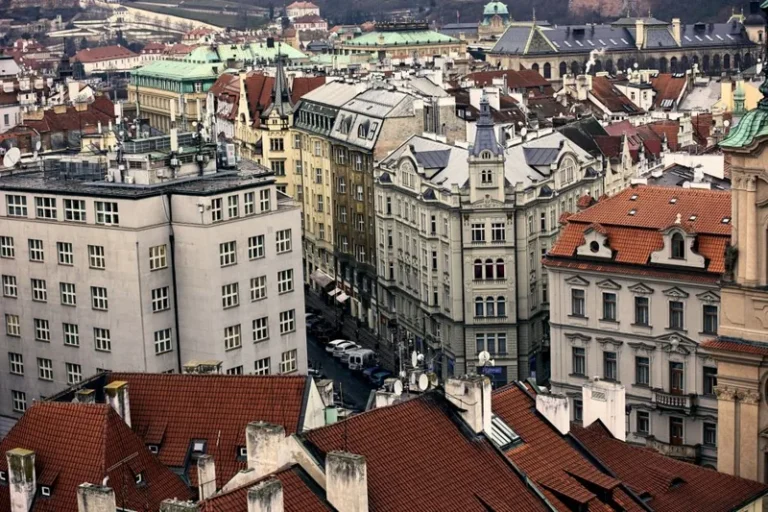
Prague remains one of the best city breaks in Europe for first-timers. Charles Bridge at sunrise feels like stepping into a painting. Meanwhile, the Old Town Square’s astronomical clock draws crowds every hour — arrive before 9 a.m. if you want a clear photo.
However, Prague has two sides. The Old Town can feel touristy and overpriced. Therefore, cross the river to Malá Strana and letná Park, where locals drink cold pivo at a fraction of the price. A pint in a neighbourhood pub still costs around £2.
Want more? See our detailed guide to things to do in Prague.
Practical tip: Skip trdelník stalls near the castle. Instead, head to Lokál for roast pork with dumplings and fresh unpasteurised beer.
Seville: The Sunniest Weekend on the List
Seville delivers 300 days of sunshine a year, plus the best tapas culture in Spain. Bar hop through Triana and Santa Cruz, ordering a plate or two at each stop. Croquetas, salmorejo and espinacas con garbanzos should all feature. In addition, the Real Alcázar’s Moorish courtyards rival Granada’s Alhambra — with shorter queues if you book the first slot.
Go between March and May. Otherwise, summer temperatures regularly exceed 40°C, which makes sightseeing miserable.
Practical tip: Many bars close on Sundays. As a result, check opening hours before planning your tapas route.
Barcelona: Beach, Gaudí and Food Worth the Flight
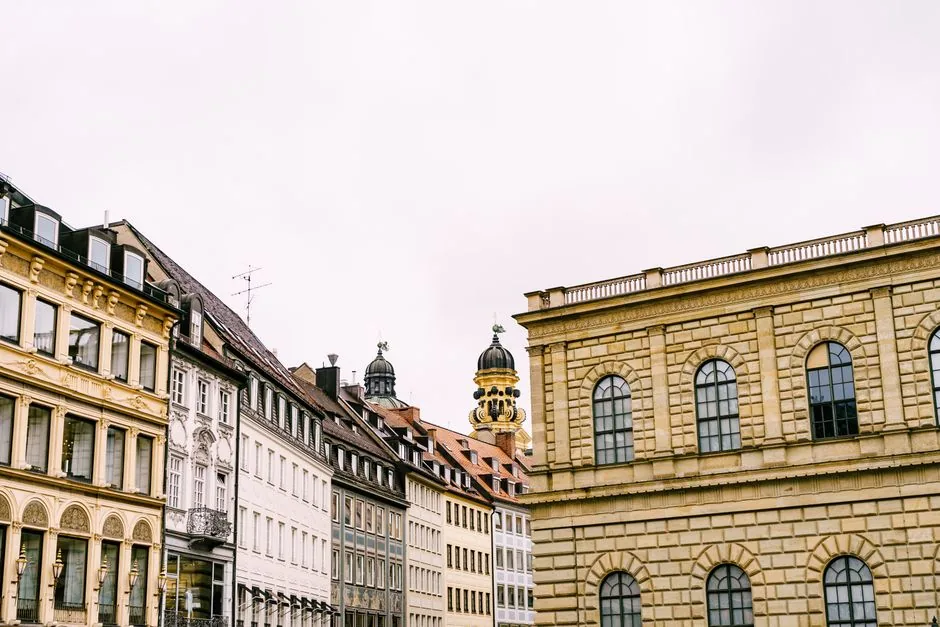
Barcelona does everything well: architecture, beaches, markets and nightlife. La Sagrada Família finally nears completion, and the stained glass inside justifies the ticket price. Similarly, Park Güell and Casa Batlló showcase Gaudí’s playful genius.
Beyond the sights, eat at La Boqueria market early, before tour groups arrive. Afterwards, wander El Born’s medieval lanes. For a full itinerary, check our guide to things to do in Barcelona.
Practical tip: Book Sagrada Família tickets online at least a week ahead. Walk-up tickets often sell out entirely in high season.
Rome: History You Can Stumble Into
Rome overwhelms in the best way. You’ll turn a corner and find a 2,000-year-old temple beside a designer boutique. Naturally, the Colosseum and Vatican Museums dominate most itineraries. Yet the quieter neighbourhoods — Trastevere, Monti, Testaccio — hold the city’s soul.
Eat cacio e pepe in Testaccio, then walk it off along the Tiber at sunset. Furthermore, many churches display Caravaggios for free.
Practical tip: Carry a filled water bottle. Rome’s public nasoni fountains dispense clean, cold drinking water throughout the city centre.
Copenhagen: Design, Bikes and Harbour Swims
Copenhagen costs more than anywhere else on this list. However, it delivers a quality of life you can taste. Rent a bike, ride the harbour-front, then swim at Islands Brygge’s harbour baths. In addition, the food scene ranges from world-class restaurants to brilliant smørrebrød lunch bars.
Reffen street food market offers sunset views over the water without New Nordic prices.
Practical tip: Copenhagen Airport to city centre takes just 15 minutes by metro. Therefore, you can be checking into your hotel within half an hour of landing.
Budapest and Porto: Two Budget Champions
Budapest
Budapest pairs grand Habsburg architecture with ruin-bar hedonism. Soak in Széchenyi Thermal Bath’s outdoor pools in winter, steam rising around you. Afterwards, explore the Jewish Quarter’s courtyards and street art. Prices remain noticeably lower than Western Europe.
Porto
Porto, meanwhile, charms everyone who visits. The Ribeira district tumbles down to the Douro in a jumble of red rooftops. Cross the Dom Luís I bridge to Vila Nova de Gaia for port cellar tours and tastings. In short, Porto packs enormous character into a compact, walkable city.
When to Book and How to Save
Timing matters enormously for European city breaks. Generally, you should book flights six to ten weeks ahead for the best fares. Tuesday and Wednesday departures usually cost less. Moreover, flying before 8 a.m. or after 9 p.m. shaves pounds off the ticket.
Accommodation follows similar rules. For example, apartments often beat hotels on price for three or more people. Always check the location against public transport links before booking.
Finally, consider travelling in the shoulder season. September offers warm weather, thin crowds and lower prices across southern Europe. In contrast, August brings heatwaves plus locals abandoning cities like Rome and Madrid for the coast.
For official inspiration and event calendars, browse Visit Europe or compare flights on Skyscanner.
Frequently Asked Questions
What is the best European city break for a first timer?
Prague wins for first-timers. The city centre is compact and walkable, the architecture stuns, and costs stay reasonable. Alternatively, Lisbon offers more variety but demands stamina for its hills.
Which European city break is cheapest?
Budapest and Porto typically cost the least. In both cities, a good dinner with wine costs £15–£25 per person. Flights from the UK often drop below £40 return outside peak season.
How many days do you need for a European city break?
Two nights suits most cities in this guide, though three works better for Lisbon, Barcelona and Rome. Those three pack in more spread-out attractions, so extra time prevents rushed sightseeing.
What is the best month for a European city break?
Overall, September. You’ll enjoy warm weather, open attractions and post-summer prices. May runs a close second, though some southern cities begin heating up by late spring.
Start Planning Your Next Escape
Ultimately, the best city breaks in Europe match your mood, budget and the season. Craving sunshine? Choose Seville. Want fairytale streets on a budget? Prague calls. Meanwhile, Lisbon and Porto reward food lovers time and again.
So pick a weekend, book those flights early, and go. Europe’s cities sit within a few hours of each other — and each one earns a repeat visit.
Ready for deeper planning? Explore our detailed guides, then sign up for the Journeo newsletter for fresh city break itineraries every month.