
Airline Carry On Size Guide: Dimensions and Rules for Every Major Carrier
Most airlines allow a carry on bag measuring 22 x 14 x 9 inches (56 x 36 x 23 cm), including handles and wheels. That single standard covers most carriers in the United States and many abroad. However, weight limits, personal item policies, and enforcement vary widely between airlines. Consequently, this airline carry on size guide breaks down the exact rules for the major carriers, so you can pack with confidence and avoid surprise gate fees.
Why does this matter? Because getting stopped at the gate with an oversized bag costs real money. Fees typically run $50 to $100, and airline staff measure bags with rigid sizers at the jet bridge. Meanwhile, travelers who know the rules breeze through boarding with everything they need in the overhead bin.
Below, you’ll find a carrier-by-carrier comparison table, weight limits that catch people off guard, personal item rules, and packing strategies that keep you within limits. Let’s start with the numbers.
Carry On Size Guide: The Quick Comparison Table
First, check your airline against this table. Then verify on the carrier’s official site before you fly, because airlines update baggage rules frequently. All dimensions include wheels and handles.
| Airline | Carry On Size (in) | Carry On Size (cm) | Weight Limit | Personal Item |
|---|---|---|---|---|
| Delta | 22 x 14 x 9 | 56 x 36 x 23 | None | Yes, must fit under seat |
| American Airlines | 22 x 14 x 9 | 56 x 36 x 23 | None | Yes, must fit under seat |
| United | 22 x 14 x 9 | 56 x 36 x 23 | None | Yes, must fit under seat |
| Southwest | 24 x 16 x 10 | 61 x 41 x 25 | None | Yes, must fit under seat |
| Alaska Airlines | 22 x 14 x 9 | 56 x 36 x 23 | None | Yes, must fit under seat |
| JetBlue | 22 x 14 x 9 | 56 x 36 x 23 | None | Yes, must fit under seat |
| Ryanair (priority) | 21.6 x 15.7 x 7.8 | 55 x 40 x 20 | 10 kg | Small bag only (basic) |
| easyJet | 22 x 18 x 10 | 56 x 45 x 25 | 15 kg | Small bag only (basic) |
| Lufthansa | 21.6 x 15.7 x 9 | 55 x 40 x 23 | 8 kg | Yes, foldable bag |
| Air France | 21.6 x 13.7 x 9.8 | 55 x 35 x 25 | 12 kg | Yes, must fit under seat |
| British Airways | 22 x 17.7 x 9.8 | 56 x 45 x 25 | 51 lbs (23 kg) | Yes, must fit under seat |
| Emirates | 22 x 14.9 x 10 | 55 x 38 x 25 | 15 lbs (7 kg) | Yes, purse or laptop bag |
| ANA (Japan) | 21.6 x 15.7 x 10 | 55 x 40 x 25 | 22 lbs (10 kg) | Yes, 1 personal item |
| Qantas | 22 x 14 x 9 | 56 x 36 x 23 | 15 lbs (7 kg) | Yes, must fit under seat |

Notice the pattern. U.S. legacy carriers share one standard, whereas European and Asian airlines enforce stricter weight limits. Therefore, your bag’s dimensions matter less than its weight on carriers like Emirates and Qantas.
U.S. Airlines: Generous Sizes, No Weight Limits
The Big Three
Delta, American, and United all allow 22 x 14 x 9 inches with no published weight limit. In other words, you can stuff your bag as full as you like, provided it fits in the sizer and you can lift it into the overhead bin. That said, gate agents can still reject bags that clearly won’t fit or that you cannot lift safely.
Additionally, all three carriers allow one personal item: a purse, laptop bag, or small backpack that fits under the seat in front of you.
Southwest and Budget-Friendly Carriers
Southwest is the outlier. Its 24 x 16 x 10 inch allowance exceeds every other major U.S. carrier. Better yet, you still get two free checked bags. As a result, Southwest remains a favorite for over-packers.
JetBlue and Alaska match the 22 x 14 x 9 standard. Neither weighs carry ons at the gate.
European Airlines: Watch the Weight and the Fine Print
Low-Cost Carriers Change the Game
Ryanair and easyJet operate differently from U.S. carriers. Specifically, their cheapest fares include only a small personal bag that fits under the seat. Ryanair’s free allowance is 15.7 x 9.8 x 7.8 inches (40 x 20 x 25 cm), which fits a daypack and little else.
To bring a full carry on, you must purchase “priority boarding” on Ryanair or a “large cabin bag” add-on on easyJet. Prices start around $6 to $10 if you buy online. However, paying at the gate costs three to four times more.
Legacy European Carriers
Lufthansa caps carry ons at 8 kg (17.6 lbs), which surprises many American travelers. Similarly, Air France allows 12 kg. Therefore, pack light if you’re connecting through Frankfurt or Paris. Your perfectly sized bag can still be rejected for exceeding weight.
Asian and Middle Eastern Carriers
Emirates enforces a strict 7 kg (15 lbs) limit on economy carry ons. Moreover, staff weigh bags at check-in counters in Dubai, so this rule gets enforced consistently. If your bag weighs more, you’ll check it and pay applicable fees.
Meanwhile, Japan’s ANA and JAL allow 10 kg, which suits most travelers fine. Furthermore, Japanese carriers rarely weigh domestic carry ons unless your bag looks obviously heavy.
Qantas and Air New Zealand both cap carry ons at 7 kg. However, Qantas now allows a combined 14 kg across your carry on plus personal item on many routes. Check your specific fare, because rules shift between domestic and international flights.
Personal Item Rules: The Detail Everyone Misses
Your personal item matters as much as your carry on. Generally, airlines want it under the seat in front of you, measuring roughly 18 x 14 x 8 inches or smaller. A standard backpack, tote, or laptop bag qualifies.
However, here’s the catch. If your carry on gets gate-checked because the bins are full, your personal item becomes your lifeline. For that reason, keep medications, documents, chargers, and one change of clothes in it. Never pack valuables in a bag that might get checked at the jet bridge.
Some travelers use a larger personal item strategically. For instance, a 30-liter travel backpack often fits under-seat dimensions while carrying as much as a small suitcase. This tactic works well on carriers with generous personal item policies.
How to Measure Your Bag Correctly
Airlines measure the complete bag, including wheels, handles, and external pockets. Consequently, that “22-inch” spinner in your closet might actually measure 23 inches with its wheels. Follow these steps:
First, stand the bag upright on a hard floor. Next, extend the telescoping handle fully. Then measure from the bottom of the wheels to the top of the handle. After that, measure width across the widest point, including side pockets. Finally, measure depth from the front pocket zipper to the back of the wheels.
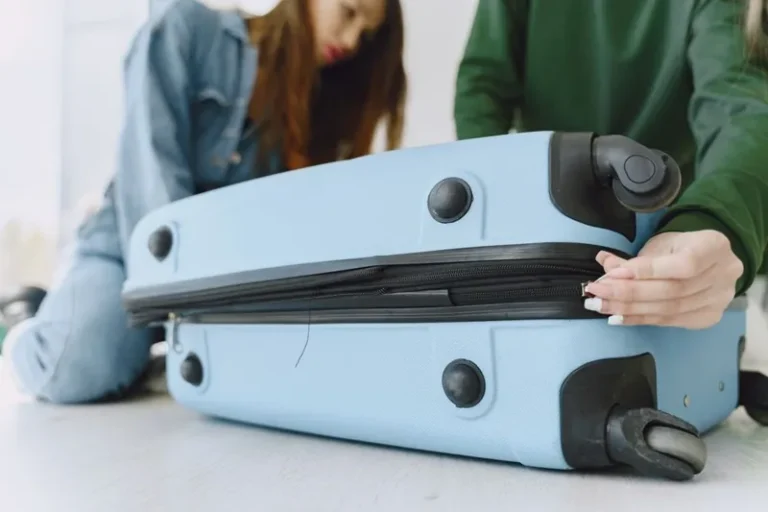
If your bag exceeds limits by less than an inch, try these fixes. Unzip expander zippers, remove bulky items from front pockets, and pack them in your personal item instead. Furthermore, soft-sided bags squeeze into sizers more easily than rigid hardside luggage.
Packing Strategies to Stay Within Limits
First, choose a bag rated at 21 to 21.5 inches rather than 22 inches. That half-inch buffer protects you when airlines measure strictly. Brands like Travelpro, Away, and Osprey sell bags specifically designed for this.
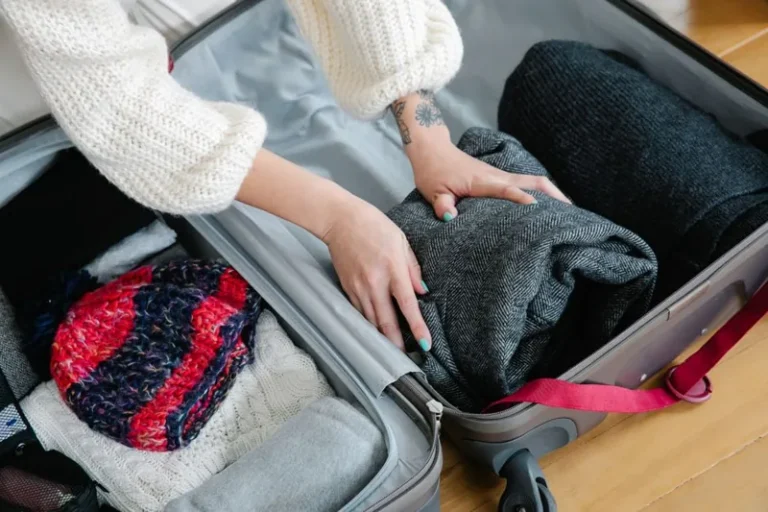
Second, use compression packing cubes. They reduce clothing volume by 20 to 30 percent. As a result, a 35-liter bag handles a week of clothes easily.
Third, wear your heaviest items on the plane. Specifically, wear your boots, jacket, and bulkiest sweater instead of packing them. This trick alone saves 3 to 5 pounds.
Fourth, weigh your bag before you leave home. A $12 luggage scale pays for itself after one avoided gate fee. In addition, leave 2 pounds of buffer for souvenirs on the return trip.
Finally, check whether your airline status or credit card includes a free checked bag. Often, checking costs nothing if you plan ahead.
What Happens If Your Bag Doesn’t Fit
Gate agents handle oversized bags differently by airline. U.S. carriers typically gate-check the bag for free when bins fill up, though chronically oversized bags may incur fees. Meanwhile, European low-cost carriers charge penalty rates at the gate, sometimes $60 or more.
If forced to gate-check, remove these items immediately: lithium batteries, medications, electronics, travel documents, and keys. Airlines prohibit lithium batteries in checked luggage, so this step protects both your gear and the flight.
Planning a trip and want to pack smarter from the start? Our guide on how to plan a trip for beginners covers baggage strategy alongside booking and budgeting basics.
FAQ
Is a 22 inch suitcase considered a carry on?
Usually, yes. A 22 inch suitcase meets the carry on limit for Delta, American, United, JetBlue, Alaska, and most international carriers. However, measure the bag including wheels and handles. Some “22-inch” bags actually measure 23 inches or more. In that case, the bag exceeds limits and may need checking.
What is the standard personal item size?
Most airlines define a personal item as roughly 18 x 14 x 8 inches, and it must fit under the seat in front of you. Typical examples include a purse, laptop bag, or daypack. In contrast, Ryanair and easyJet basic fares include only this under-seat bag, with no overhead carry on at all.
Do airlines actually weigh carry on bags?
U.S. carriers almost never weigh carry ons. However, airlines like Emirates, Qantas, Lufthansa, and Air France weigh bags regularly, especially at check-in counters and boarding gates in their home hubs. Therefore, assume your bag will be weighed on these carriers and pack accordingly.
Can I bring two carry on bags?
Technically, you bring one carry on plus one personal item on most airlines. So yes, two bags total, as long as one fits the overhead bin and one fits under the seat. Additionally, some airlines allow extras like a coat, umbrella, duty-free purchases, and child care items.
Which airline has the biggest carry on allowance?
Southwest allows 24 x 16 x 10 inches, the largest carry on allowance among major carriers. Furthermore, Southwest includes two free checked bags. By comparison, most other U.S. airlines cap carry ons at 22 x 14 x 9 inches.
Final Thoughts
Carry on rules reward preparation. Know your airline’s dimensions, measure your bag with wheels included, and respect weight limits on international carriers. Then you’ll board without stress and skip baggage claim entirely. For deeper trip planning, the IATA baggage guidance offers additional industry context, and our Europe trip itinerary for 2 weeks shows how to pack light across multiple countries.
Ready to plan your next carry on-only adventure? Browse more packing and planning guides on Journeo, and travel lighter on your next flight.