Underrated Travel Destinations in Europe: 7 Places Tourists Haven’t Ruined Yet
The best underrated travel destinations in Europe are Albania’s Riviera, Northern Macedonia’s Lake Ohrid, Slovenia’s Soča Valley, Romania’s Transylvania, Portugal’s Alentejo region, Poland’s Bieszczady Mountains, and Greece’s Zagori villages. In other words, the continent still hides corners where dinner costs less than a coffee in Venice. You just need to know where to look.
Here’s the problem. Paris, Rome, and Barcelona now receive more visitors than their residents can comfortably host. Amsterdam has begged tourists to stop coming. Venice charges an entry fee. Meanwhile, entire regions of Europe sit within a two-hour flight of these hotspots, offering medieval towns, alpine trails, and seafood lunches that cost the same as they did a decade ago.
So, if you’re planning a trip and want value plus breathing room, this guide covers seven places worth your vacation days. For each one, you’ll find what to see, when to go, and roughly what you’ll spend. Let’s get into it.
Why Skip the Big Names? Underrated Travel Destinations in Europe Explained
First, let’s talk about why this matters. Overtourism has changed the big cities. In Dubrovnik, cruise ships dump thousands of visitors into a walled town barely a kilometer wide. As a result, prices have tripled, and locals have moved out.
By contrast, underrated spots offer three clear advantages. To begin with, your money goes further. A three-course dinner with wine in Berat, Albania, runs about €15 per person. Additionally, you experience places as they actually live, rather than as open-air museums. Finally, you spread tourism income to communities that need it, which is arguably the most sustainable travel choice you can make.
Below, you’ll find a quick comparison of all seven destinations before we dive into the details.
Quick Comparison Table
| Destination | Country | Best For | Best Months | Daily Budget |
|---|---|---|---|---|
| Albanian Riviera | Albania | Beaches | June, September | €40–60 |
| Lake Ohrid | North Macedonia | Lakes, history | May–June, Sept | €35–55 |
| Soča Valley | Slovenia | Adventure sports | June–September | €50–80 |
| Transylvania | Romania | Castles, hiking | May–October | €40–65 |
| Alentejo | Portugal | Wine, food | April–June, Sept–Oct | €55–85 |
| Bieszczady Mountains | Poland | Hiking, wilderness | June–September | €35–50 |
| Zagori Villages | Greece | Stone bridges, trails | May–June, Sept | €45–70 |
The Albanian Riviera: Mediterranean Beaches Without the Price Tag
Albania’s southern coast stretches from Vlorë to Sarandë, and it rivals anything in Greece or Croatia. Think turquoise water, pebble coves, and beach tavernas grilling fresh catch at lunchtime. Dhërmi and Himarë are the most popular bases, while Gjipe Beach requires a 30-minute hike and rewards you with a near-private cove.
However, go early or late. In July and August, the coast fills up with Albanian and Italian vacationers. June and September deliver warm sea temperatures around 24°C with half the crowds. Moreover, prices drop significantly in shoulder season. A double room in Himarë starts at €35 per night in September.
Getting there takes some effort. You can fly into Tirana and take a four-hour bus, or ferry from Corfu to Sarandë in 30 minutes. That ferry route, incidentally, makes an excellent two-country trip. For more on the region’s better-known neighbor, see our guide to things to do in Barcelona if you want to contrast a major city stop with your Albanian beach time.
Lake Ohrid: Europe’s Oldest Lake and North Macedonia’s Crown Jewel
Lake Ohrid sits on the border between North Macedonia and Albania. It’s one of the oldest lakes in the world, over a million years old, and UNESCO lists both the lake and the town of Ohrid for their natural and cultural value.
The town itself is the main draw. You’ll wander cobbled streets lined with Byzantine churches, including the cliffside Church of St. John at Kaneo, which overlooks the water from a rocky outcrop. Above the town, Samuel’s Fortress offers sweeping views for a €1 entry fee.
Furthermore, the lake itself invites swimming. In summer, the water hits 26°C, and families swim off the town’s piers. Take the boat to the Bay of Bones, a reconstructed prehistoric pile-dwelling settlement, for around €5. After that, eat trout at a lakeside restaurant in the old town. A full dinner with wine costs €12–15 per person.
The Soča Valley: Slovenia’s Adventure Playground
Most visitors to Slovenia stop at Lake Bled and leave. Big mistake. The Soča Valley, two hours west of Bled near the Italian border, packs emerald rivers, jagged peaks, and World War I history into a single valley.
Kobarid and Bovec are the two bases. Kobarid is quieter, with an excellent museum on the 1917 Battle of Caporetto and the hilltop Italian charnel house. Bovec, meanwhile, is the adventure hub. Here, you can go whitewater rafting on the Soča River (€40–50), canyoning through slot gorges (€55–70), or paragliding over the Julian Alps (€90–120).
Hikers should tackle part of the Soča Trail, a 20-kilometer path following the river’s source to Bovec. Even a short section near the Great Soča Gorge shows why this river’s color draws photographers from across Europe. In addition, the food scene surprises: Hiša Franko near Kobarid holds two Michelin stars, though you’ll need to book months ahead.
Our things to do in Prague guide covers a more classic European city break, but pair it with Slovenia and you’ve got a trip balancing crowds and calm.
Transylvania: Castles and Carriage Roads in Romania
Forget the Dracula clichés for a moment. Transylvania offers some of the most beautiful countryside in Central Europe: fortified churches, hay meadows, and the Carpathian Mountains rolling toward the horizon.
Start in Brașov, a medieval Saxon town with a cable car up Mount Tămpea and the famous Black Church at its center. From there, day trips reach Bran Castle (the so-called Dracula’s castle) and the far superior Râșnov Fortress. However, the real magic lies further afield. Viscri, a village where King Charles III owns a traditional house, still runs on carriage traffic and sheep farming. Sighișoara, meanwhile, preserves a pastel-colored citadel so intact it feels staged.
Bear watching is another draw. The Carpathians hold Europe’s largest brown bear population, roughly 6,000 animals, and responsible hides near Zărnești offer dawn viewing for around €50. For hikers, the Piatra Craiului ridge trail delivers a full day above the tree line.
Romania remains one of Europe’s cheapest destinations. Guesthouses in Viscri cost €25–35 per night, usually with breakfast included.
Alentejo: Portugal’s Slow-Living Wine Country
Lisbon and Porto get the headlines, but Alentejo, the vast region stretching from the Spanish border toward the Atlantic, moves to a different rhythm. Golden plains, cork oak forests, and whitewashed towns define the landscape.
Évora is the logical base. This UNESCO-listed city contains a Roman temple, a chapel decorated with 5,000 monks’ bones, and a maze of streets unchanged for centuries. From Évora, drive to the hilltop village of Monsaraz, where a castle wall overlooks the Alqueva Lake, Europe’s largest artificial reservoir and a certified Dark Sky Reserve.
Wine lovers, take note. Alentejo produces some of Portugal’s boldest reds, and tastings often cost nothing or a token fee. Estates like Herdade do Esporão near Reguengos run tours and lunches on-site. Above all, come hungry. Alentejo’s cuisine centers on slow-cooked pork, lamb, and bread-based dishes like açorda. Dinner with local wine runs €20–30 per person.
For a contrasting city experience before or after, our things to do in Lisbon guide covers the capital, just 90 minutes away by train.
Bieszczady Mountains: Poland’s Wild Eastern Edge
Poland’s far southeast corner borders Ukraine and Slovakia, and it remains the least densely populated part of the country. After WWII, entire villages were depopulated here, and the forest reclaimed the land. Today, Bieszczady is a wilderness of rolling meadows called połoniny, dense beech woods, and wandering wildlife including wolves, lynx, and bison.
The main base is Ustrzyki Górne, a small village surrounded by trailheads. The most popular route climbs Tarnica, the range’s highest peak at 1,346 meters. The round trip takes about four hours and crosses open meadows with views into three countries. In addition, the narrower Wetlina and Wołosate valleys offer quieter multi-day hikes with nights in mountain shelters.
Accommodation is basic and cheap. Agrotourism farms charge €25–40 per night, often with hearty meals of pierogi and local sheep cheese. Consequently, Bieszczady suits travelers who want silence more than nightlife. You won’t find boutique hotels here. You’ll find stars, actually, some of the darkest skies in Poland.
Zagori Villages: Greece Before the Crowds
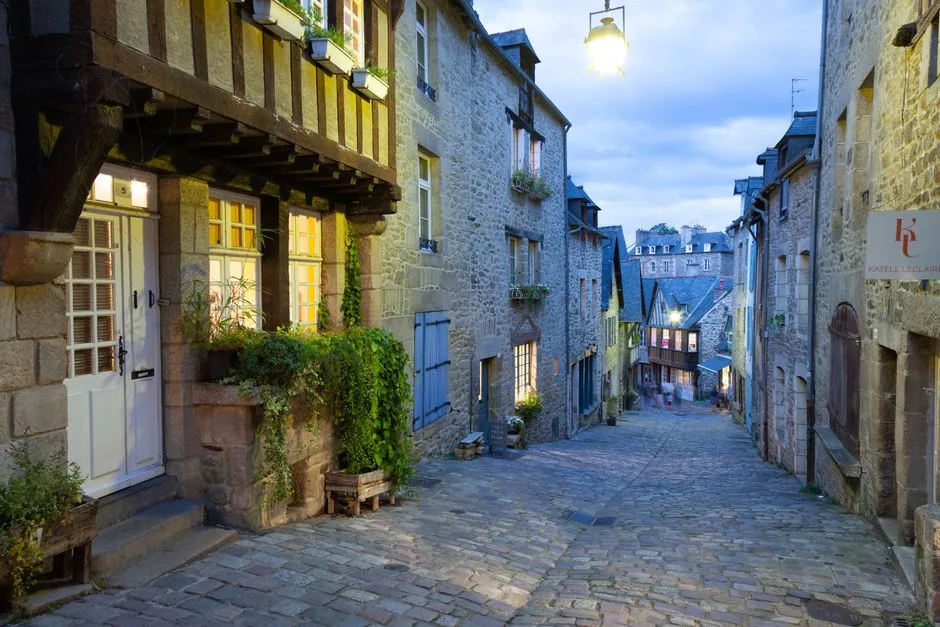
Mainland Greece holds secrets that the islands can’t match. Zagori, a cluster of 46 stone villages in the Pindus Mountains of Epirus, is one of them. Arched stone bridges from the 18th century cross streams between villages, and hiking trails connect them all through the Vikos Gorge.
Vikos Gorge claims the title of one of the world’s deepest gorges relative to its width. The hike from Monodendri to Vikos village takes five to six hours and passes springs, cliffs, and abandoned monasteries carved into the rock. Notably, entry is free.
Base yourself in Monodendri or Aristi. Both villages offer traditional guesthouses with fireplaces for €50–70 per night. From Aristi, rafting trips on the Voidomatis River, reportedly among Europe’s cleanest, cost €35–45. Meanwhile, the village of Papigo, split into upper and lower halves, delivers postcard views of the Astraka towers above.
Getting there requires a flight to Preveza or Thessaloniki, then a three-hour drive. The effort is the point. Zagori sees a fraction of Santorini’s crowds, yet delivers equal beauty at half the price.
Practical Tips for Visiting Europe’s Hidden Corners
Before you book, keep a few things in mind. First, transport is the main challenge. Rural buses run infrequently, so renting a car usually pays off. For example, a week’s rental in Albania costs €150–200, splitting nicely between two people.
Second, carry some cash. Mountain villages in Romania, Poland, and Greece don’t always take cards. Third, learn five words of the local language. English levels drop outside capital cities, and a simple “thank you” in Albanian or Romanian opens doors.
Finally, book accommodation early for July and August, even in these underrated spots. Locals vacation in August, and coastal Albania fills up fast.
For official information on entry requirements and travel advisories, check the EU’s official travel portal before departure.
FAQ: Underrated Travel Destinations in Europe
What is the cheapest underrated destination in Europe?
Albania and North Macedonia are the cheapest options on this list. Daily budgets of €35–50 cover accommodation, food, and local transport. Poland’s Bieszczady region is similarly affordable, especially for hikers content with farm stays and self-catering.
When is the best time to visit Europe’s lesser-known destinations?
Generally, May, June, and September offer the best balance of weather, prices, and manageable crowds. July and August bring heat and domestic vacationers. However, mountain destinations like Bieszczady and Zagori are best from June through September, since trails close in winter.
Is Albania safe for tourists?
Yes. Albania is safe for travelers, including solo visitors. Petty theft exists in Tirana, as in any capital, but violent crime against tourists is rare. Roads outside cities can be rough, so drive carefully and allow extra time. The UK Foreign Office travel advice maintains up-to-date guidance.
Do I need a car to explore these destinations?
For most of them, yes. The Soča Valley, Alentejo, Zagori, and Bieszczady all reward having your own wheels. However, Lake Ohrid and Transylvania’s major towns (Brașov, Sighișoara) are reachable by bus and train, though you’ll see more with a car.
How do I avoid contributing to overtourism when I travel?
Stay in locally owned guesthouses, eat at family-run restaurants, and travel in shoulder season. Also, spread your spending beyond the single most famous sight in each region. These choices push tourism income into communities rather than international chains.
Start Planning Your Trip Off the Beaten Path
Europe’s famous cities will always deserve a visit. But the continent’s real treasures often sit an hour or two beyond them, waiting in stone villages, emerald rivers, and mountain meadows. Pick one destination from this list, book a guesthouse, and go before everyone else catches on.
Which one calls to you? Browse more of Journeo’s destination guides for itineraries, packing tips, and city deep-dives to build your next trip around.