
Travel Mistakes to Avoid: 8 Errors That Can Ruin Your Next Trip
The biggest travel mistakes to avoid are overpacking, under-budgeting, skipping travel insurance, over-scheduling your itinerary, and exchanging money at airports. These errors cost travelers billions every year. Yet almost all of them are easy to fix with a little planning.
I have spent twelve years writing about travel, and I still cringe at some of my early blunders. Once, I booked a “cheap” flight to Lisbon that landed at 1 a.m., 40 kilometers from the actual city. The transfer cost more than the hotel night. On another trip, I skipped insurance and paid €600 out of pocket for a stomach infection in Hanoi.
The good news? You do not need to repeat those lessons. Below, you will find the eight most common travel mistakes to avoid, why they happen, and exactly how to prevent them. Whether you are planning your first international trip or your twentieth, these fixes will save you money, time, and stress.

1. Overpacking: The Mistake Almost Everyone Makes
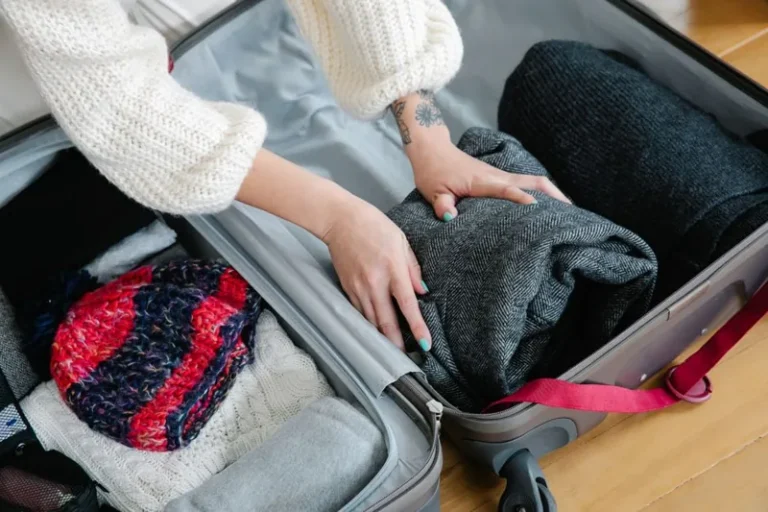
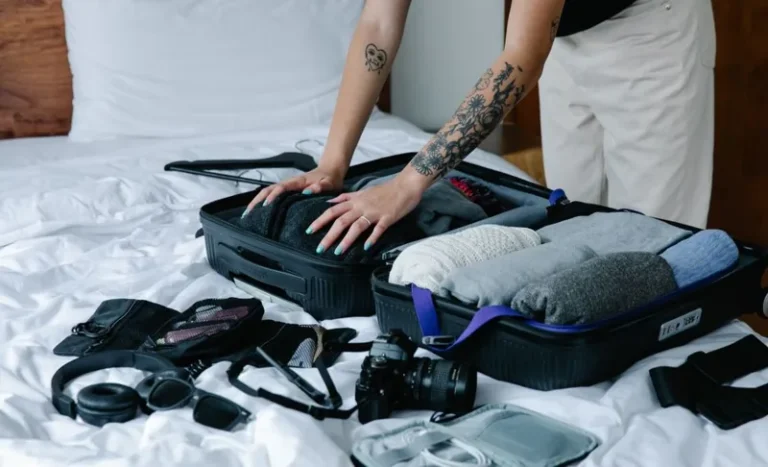
Let’s start with the most universal error. Travelers consistently pack 30 to 50 percent more than they need. Then they drag heavy suitcases up five flights of Parisian apartment stairs or across cobblestones in Dubrovnik.
Why it happens
People pack for worst-case scenarios. “What if it rains twice?” “What if I need three pairs of shoes?” In reality, you wear the same comfortable items on repeat. Nobody on your trip notices or cares.
How to fix it
First, lay out everything you plan to bring. Then remove half of it. Next, stick to a color palette so every top matches every bottom. Finally, pack for one week maximum, even on longer trips, and plan to do laundry. Merino wool and quick-dry fabrics make this easy.
Carry-on only travel also protects you from lost luggage. In 2022, European airports mishandled bags at record rates. A 40-liter backpack eliminates that risk entirely.
2. Booking Flights Too Early or Too Late
Timing matters more than most travelers realize. Book too early and you miss fare drops. Book too late and you pay a premium.
What the data says
According to Google’s flight price research, domestic fares usually bottom out around 21 to 60 days before departure. For international flights, aim for roughly two to eight months ahead. Prices spike sharply inside 14 days because business travelers buy then.
Smart booking habits
- Set fare alerts on Google Flights or Skyscanner instead of checking daily.
- Fly midweek, especially Tuesday or Wednesday, for lower fares.
- Check nearby airports. Flying into Milan Bergamo instead of Malpensa can save $100+.
- Always check the final price with bags included. Budget carriers like Ryanair charge steep add-on fees.
3. Not Buying Travel Insurance
This is the mistake people regret most, yet it costs so little to prevent. A solid policy typically runs 4 to 8 percent of your trip cost. Meanwhile, a single medical evacuation from Southeast Asia to your home country can exceed $100,000.
What to look for
Compare policies on coverage for medical emergencies, evacuation, trip cancellation, and baggage loss. Read the exclusions carefully, especially around pre-existing conditions and adventure sports. For detailed guidance, the U.S. State Department’s travel insurance page is an excellent starting point: https://travel.state.gov/content/travel/en/travelplanning/before-you-go/travel-insurance.html
Also check whether your credit card already includes coverage. Many premium cards offer trip cancellation and delay protection. However, card coverage is rarely enough for medical care abroad, so verify before you rely on it.
4. Creating an Impossible Itinerary
Nothing burns travelers out faster than a schedule that turns vacation into a marathon. Trying to hit five cities in seven days means you experience mostly trains, stations, and hotel check-ins.
The two-night rule
My advice is simple. Stay a minimum of two nights in each place, ideally three. One-night stops feel rushed everywhere. You arrive, unpack, sleep, and immediately pack again.
Build in buffer time
Moreover, leave at least one flexible day per week of travel. Transit delays happen. Weather happens. Trains in Italy strike without much warning. A buffer day absorbs these shocks without wrecking your plans.
Need a realistic framework? Our Europe trip itinerary for 2 weeks balances city hopping with downtime, and it works as a template for slower travel too.
5. Money Mistakes: Airport Exchange Booths and Dynamic Conversion

Here is where travelers quietly lose hundreds of dollars. Consequently, it deserves its own section.
The airport currency trap
Airport exchange booths offer some of the worst rates on earth. Often, they take a 10 to 15 percent cut. Instead, withdraw local currency from an ATM at your destination, ideally one attached to a bank branch. Skip standalone ATMs in tourist zones, which charge heavy fees.
Decline dynamic currency conversion
Whenever a terminal abroad asks, “Pay in dollars or local currency?”, always choose local currency. That question is dynamic currency conversion, and it adds a hidden 3 to 7 percent markup. Choosing dollars sounds convenient, but it costs you real money every single time.
Cards and fees compared
| Payment method | Typical cost | Best used for |
|---|---|---|
| Airport exchange booth | 10-15% markup | Emergencies only |
| Regular bank debit card abroad | 3% foreign fee + ATM fee | Nothing, honestly |
| No-foreign-fee travel card | ~0-1% | Most purchases abroad |
| Local cash from bank ATMs | Small network fee | Markets, tips, small vendors |
Get a no-foreign-transaction-fee card before your trip. Wise, Charles Schwab, and several airline cards work well depending on your home country.
6. Ignoring Local Customs and Basic Etiquette
Small cultural missteps rarely offend deeply, but they do mark you as careless. More importantly, some mistakes carry real consequences.
Examples that matter
In Japan, never stick chopsticks upright in rice; it resembles a funeral ritual. Tipping in Japan and South Korea can actually confuse or embarrass staff. In Thailand, never touch someone’s head or point your feet at people or Buddha images. In Italy, cappuccino after 11 a.m. marks you instantly as a tourist.
Before departure, spend thirty minutes reading about local customs. Furthermore, learn five words of the local language: hello, please, thank you, excuse me, and sorry. That small effort transforms interactions everywhere.
If Japan is on your list, our complete Japan travel itinerary includes cultural etiquette notes for each region, from Tokyo to Kyoto to Okinawa.
7. Not Checking Entry Requirements Early
Visa rules change constantly, and airlines will deny boarding without exception. Therefore, verify requirements months before flying, not at the airport.
What to check
First, visit the official government travel advisory site for your nationality. Second, check passport validity. Many countries, including all 27 Schengen nations, require at least six months of validity beyond your entry date. Third, look into new electronic systems. Europe’s ETIAS and existing programs like the U.S. ESTA add steps travelers often discover too late.
Real example
In 2025, the Schengen area launched its Entry/Exit System (EES), which changes how borders process non-EU travelers. Travelers who arrived uninformed faced longer queues at major crossings. Ten minutes of research prevents hours of delay. For authoritative details, see the official EU travel information site: https://travel-europe.europa.eu
8. Treating Your Phone Like It Works Everywhere
Finally, the phone mistake. Travelers assume their phone plan, maps, and apps will work abroad exactly as at home. Then they return to a $400 roaming bill or a dead phone with no offline maps.
Practical phone fixes
- Download offline maps in Google Maps or Maps.me before departure.
- Buy a local eSIM through apps like Airalo for a fraction of roaming costs.
- Screenshot bookings, tickets, and hotel addresses in case connectivity fails.
- Carry a paper copy of your first night’s address for immigration forms.
An eSIM for two weeks in most countries costs $5 to $20. Meanwhile, roaming charges from major carriers routinely exceed $10 per day.
FAQ: Common Travel Mistakes to Avoid
What is the most common travel mistake?
Overpacking is the most common mistake by far. Most travelers use less than half of what they bring. Aim for a 7 kg carry-on whenever possible, plan to do laundry, and pack versatile items that mix and match.
How far in advance should I book flights?
For domestic flights, book 21 to 60 days ahead. For international trips, book two to eight months ahead. Prices typically rise sharply within two weeks of departure, so avoid last-minute bookings unless you have no alternative.
Is travel insurance really necessary?
Yes, especially for international trips. Medical care abroad can cost tens of thousands of dollars without coverage, and evacuation can exceed $100,000. A comprehensive policy costs 4 to 8 percent of your trip price. That trade-off is worth it for nearly every traveler.
Should I exchange money before my trip?
Generally, no. Airport exchange booths and pre-trip bank exchanges offer poor rates. Instead, use a no-foreign-fee card abroad and withdraw local cash from bank ATMs at your destination. Always decline dynamic currency conversion when offered.
How many cities should I visit on one trip?
Plan no more than one destination per three or four days. For example, a two-week trip works well with three or four bases. Fewer stops mean deeper experiences, less transit stress, and lower costs.
Final Thoughts: Plan Smart, Travel Happy
Every traveler makes mistakes. However, the worst travel mistakes to avoid are also the most predictable ones. Overpacking, bad flight timing, skipped insurance, rushed itineraries, and airport currency exchanges all have simple, proven fixes. Apply them once, and they become habits for life.
Start with the small wins this week. Set a fare alert. Order a travel card. Download offline maps. Then build your itinerary with breathing room, verify entry requirements, and pack lighter than feels comfortable.
Want a step-by-step framework for planning your entire trip the right way? Read our guide on how to plan a trip for beginners next. It walks through everything from budgets to booking order, so you can avoid these mistakes before they happen. Safe travels from all of us at Journeo.