
Long Weekend Trip Ideas That Actually Feel Like a Real Vacation
Looking for long weekend trip ideas that deliver maximum payoff for minimal time off? You are in the right place. The best short trips share three traits: a destination within a three-hour flight or four-hour drive, one memorable anchor activity, and a base that lets you unpack once. Build around those rules and even 72 hours can feel like a full week away.
At Journeo, we plan dozens of these micro-trips every year. Consequently, we know which ones work and which ones leave you more tired than when you left. Below, you will find eight proven ideas, a quick comparison table, and the planning tricks that stretch a Friday-to-Monday escape into something that genuinely recharges you.
First, a promise: none of these ideas require a passport stamp collection, a big budget, or a week of vacation days. Pick one, book it, and go.
Why Long Weekends Beat Big Trips Sometimes
Short trips carry surprising advantages. For starters, you spend less money, so you can take them more often. Additionally, research on frequent travel suggests that anticipation drives much of a trip’s happiness, so having a getaway on the calendar every few months keeps your mood high year-round.
Long weekends also lower the stakes. If the weather turns bad in Savannah, you lose two days instead of ten. Because the commitment is small, you try things you might skip on an expensive vacation, like a tiny barbecue town in Texas or a hiking trail two states over.
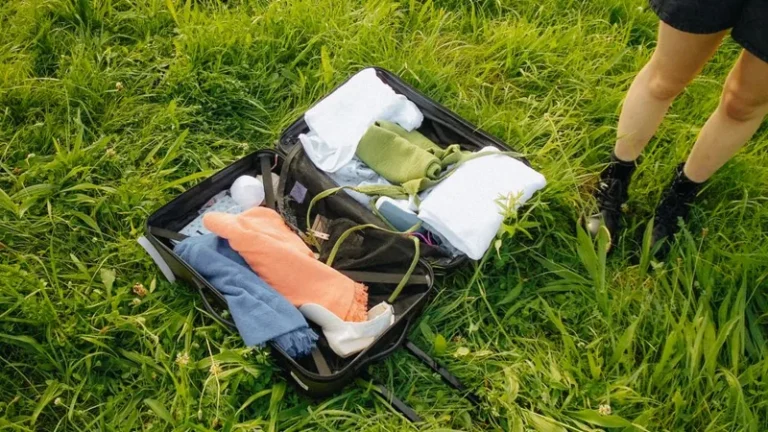
Finally, packing light becomes natural. One carry-on, one pair of good shoes, and a plan that fits on a napkin. That simplicity, in turn, makes the trip feel effortless from the start.
Quick Comparison: The Best Long Weekend Trip Ideas at a Glance
Not sure where to start? This table matches eight ideas to travel styles, budgets, and seasons.
| Trip Idea | Best For | Rough Budget (per person) | Ideal Season |
|---|---|---|---|
| National park escape | Hikers and photographers | $300–$600 | Spring or fall |
| Beach town slow-down | Couples, families | $350–$700 | Late spring to early fall |
| Big city culture hit | Food and museum lovers | $400–$800 | Year-round |
| Mountain hot springs | Winter relaxation | $300–$650 | Winter or early spring |
| Wine country long weekend | Foodies, groups of friends | $500–$900 | Harvest season (Aug–Oct) |
| Small-town main street | History buffs, low-key travelers | $200–$450 | Any |
| Coastal road trip | Drivers, scenery seekers | $350–$700 | Summer or fall |
| Hot city food crawl | Adventurous eaters | $300–$600 | Spring or fall |

National Park Escapes: Nature in 72 Hours
Nothing resets a tired brain like real wilderness. Therefore, pick one park and one base town rather than trying to cover multiple gates.
Great Smoky Mountains National Park works perfectly for East Coast travelers. Stay in Gatlinburg or Townsend, Tennessee, then hike the Alum Cave Trail toward Mount LeConte on day one. On day two, drive Cades Cove Loop early in the morning before the crowds arrive. Afterward, reward yourself with dinner at the Pottery House Café in Gatlinburg.
For West Coast travelers, Olympic National Park packs three ecosystems into one peninsula. Base yourself in Port Angeles, Washington. Hike Hurricane Ridge in the morning, then explore the Hoh Rain Forest in the afternoon. However, the drive between them takes two hours, so choose one per day rather than both.
Pro tip: check the official National Park Service website for timed-entry requirements before you book. Several popular parks now require reservations during peak season, and arriving without one can ruin your itinerary.
Beach Towns That Move Slow
Beach towns make excellent long weekend trip ideas because relaxation, not sightseeing, becomes the goal. Skip the giant resort strips and choose walkable towns instead.
Consider Beaufort, North Carolina. This small waterfront town sits three hours from Raleigh and offers a historic waterfront boardwalk, wild-horse boat tours to nearby Shackleford Banks, and excellent seafood at Clawson’s 1905. Spend your days shelling, kayaking, or simply watching the fishing boats come in.
On the Gulf Coast, Apalachicola, Florida delivers old-Florida charm without Panama City crowds. Eat oysters at Owl Café, bike the quiet streets, and drive ten minutes to St. George Island for white sand and gentle surf.
Meanwhile, West Coast travelers should look at Cambria, California. Moonstone beaches, sea otters near the pier, and a short drive to Hearst Castle make it a complete package. Book a room with a fireplace and let the fog roll in.
City Culture Hits: Museums, Food, and Zero Driving
Big cities reward short trips because everything sits close together. Moreover, you skip the rental car entirely.
Chicago stands out as the ultimate long-weekend city. Fly into O’Hare, take the train downtown, and walk everywhere else. Spend Friday evening on the Riverwalk. Saturday belongs to the Art Institute and deep-dish pizza at Lou Malnati’s. Sunday morning, ride the ferry to the Museum Campus or catch the view from 360 Chicago.
Similarly, Washington, D.C. offers nearly free entertainment. The Smithsonian museums charge no admission, so you can move between the Air and Space Museum and the National Gallery without spending a dollar. Add Eastern Market on Saturday morning and a meal in the U Street corridor, and you have a full weekend for under $400.
If you want guidance on longer versions of city-heavy travel, our Europe trip itinerary for 2 weeks shows how to scale up the same planning method.
Mountain Towns and Hot Springs for Winter Recovery
Cold weather creates its own short-trip category. Specifically, mountain towns with hot springs combine snowy scenery with deep relaxation.
Pagosa Springs, Colorado sits at the edge of the San Juan River and holds the world’s deepest geothermal hot spring. Soak at The Springs Resort while snow falls on the peaks around you. Meanwhile, Wolf Creek Ski Area, 25 minutes away, gets some of the most snow in Colorado, often more than 400 inches annually.
Prefer a road-free option? Fly into Albuquerque and drive three hours to Truth or Consequences, New Mexico. This quirky desert town offers multiple walk-in hot spring spas along its historic main street, plus easy access to Elephant Butte Lake State Park.
Pack for temperature swings. Mountain towns can swing 30 degrees between afternoon and night, so layers matter more than heavy coats.
Wine Country and Farm Regions for Foodies
Harvest season turns wine regions into festival grounds. Consequently, August through October delivers the best combination of weather, color, and tasting-room energy.
Willamette Valley, Oregon sits an hour from Portland and specializes in world-class Pinot Noir. Book one tasting room per day, add lunch at Red Hills Market in Dundee, and schedule a non-driving afternoon for cycling the Yamhill Valley loop.
On the East Coast, the Finger Lakes region of New York rivals bigger names. Seneca and Cayuga lakes hold more than 100 wineries between them. Stay in Watkins Glen, hike the famous gorge at Watkins Glen State Park on Saturday morning, then taste Rieslings along the lake all afternoon.
However, always arrange a driver. Many regions offer private tour services, and the cost, typically $50–$100 per person, costs far less than a DUI.
Small-Town Main Street Trips on a Budget
Some of the best long weekend trip ideas cost almost nothing. Small historic towns deliver charm, walkability, and affordable lodging.
Eureka Springs, Arkansas hides in the Ozarks with Victorian architecture, winding streets, and a thriving arts scene. Similarly, Galena, Illinois offers 19th-century storefronts, great brunch spots, and hiking at nearby Casper Bluff Land and Water Reserve.
Route these trips around food and strolls rather than attractions. Furthermore, book bed-and-breakfasts directly rather than through booking platforms. Owners often discount direct reservations by 10–15%, and they give better room assignments to guests who call.
For a deeper framework on building any trip from scratch, read our guide on how to plan a trip for beginners. It walks through budgeting, booking order, and packing in plain language.
How to Plan a Long Weekend Without Wasting Time

Execution separates a great long weekend from a stressful one. Therefore, follow these rules.
Book the Anchor First
Reserve your one must-do activity, whether that’s a restaurant, a guided hike, or a show, before anything else. Everything else fills in around it. If the anchor requires reservations, this step also confirms your dates work.
Travel During Shoulder Windows
Fly out Thursday evening or very early Friday. Return Monday evening rather than Sunday night. As a result, you dodge the worst airport crowds and often save $75–$150 on airfare.
Limit Your Base to One Location
Unpacking once saves hours. Choose one town and take day trips from it instead of hopping between three hotels. Two hours of daily driving should be your ceiling.
Build a Three-Item Itinerary Per Day
One morning activity, one meal worth planning around, and one flexible afternoon block. Over-scheduling ruins short trips because you lose the downtime that makes them feel restorative.
For structure inspiration at international scale, our Japan travel itinerary demonstrates how pacing works over longer distances.
FAQ: Long Weekend Trip Questions Answered
How many days make a long weekend?
Typically three to four days. Most travelers leave Friday and return Monday, which gives you two full days plus travel days. Adding one vacation day to a public holiday, however, turns three days into four and makes international destinations possible.
How far in advance should I book a long weekend trip?
Domestic trips work best booked three to six weeks out. Flights inside that window usually price lowest, and hotels in small towns release their best rooms early. For holiday weekends, book two to three months ahead because inventory disappears fast.
What is the best budget for a long weekend?
Plan on $300–$700 per person for domestic trips, including lodging, food, and activities. Driving destinations sit at the low end, while flights to major cities push costs higher. Set aside 15% extra for one spontaneous splurge.
Is it better to fly or drive for a long weekend?
Drive if the trip takes under five hours. Driving saves airport time, luggage fees, and rental car costs. Fly anything beyond that, because airport security and transit eat three to four hours on each end regardless.
How do I avoid coming home exhausted?
Cut one full day of activities from what feels doable, return home by late afternoon rather than late night, and schedule nothing for the Monday evening you get back. Buffer time converts a fun trip into an actually restful one.
Start Planning Your Next Escape
Long weekends reward planners who think small and specific. Pick one destination, book one anchor, and keep the schedule loose. Whether you choose a hot spring town in the Rockies, an oyster shack on the Gulf, or a museum marathon in Chicago, the formula stays the same: short travel time, one home base, and permission to slow down.
Ready to build your next getaway? Explore more planning guides on Journeo, and check trusted booking resources like Booking.com to lock in your dates while prices stay low. Your next three-day adventure is closer than you think.